 Summary of this article Summary of this article
- CM Fadnavis, has made deportation a cornerstone of his campaign
- Lower-income Muslim-majority areas like Dharavi and Kurla bear the brunt
- Bengali-speaking labourers form the backbone of industries from recycling to construction
Hamid Ali shifted uncomfortably on the worn plastic chair in the dimly lit anteroom of the Dharavi police station, a sliver of late-afternoon sunlight piercing the grimy window and warming his weathered skin. It was his third visit in as many weeks, each one a ritual of scrutiny: papers checked, questions repeated, his Bengali-inflected Hindi parsed for signs of foreign origin. "I've lost the sense of being," he murmured to himself, his voice barely audible over the hum of ceiling fans and the distant clamour of Asia's largest slum. A day labourer in one of Dharavi's leather workshops, Ali insists he hails from West Bengal, not across the border in Bangladesh. But in today's Mumbai, such distinctions often dissolve under the weight of suspicion.
This scene, repeated across the city's teeming informal settlements, underscores a surging crackdown on alleged illegal Bangladeshi immigrants, a campaign that has gained momentum amid heated political rhetoric as the Brihanmumbai Municipal Corporation (BMC) elections loom on Jan. 15. Maharashtra's chief minister, Devendra Fadnavis, has made deportation a cornerstone of his campaign, vowing at a Jan. 3 rally to "identify Bangladeshi infiltrators in Mumbai and send them back, making the city safer." His administration's efforts, officials say, have already resulted in the deportation of over 1,000 Bangladeshi nationals from Mumbai in 2025 alone, a sixfold increase from the previous year. Many of these actions have targeted lower-income Muslim-majority areas like Dharavi and Kurla, where Bengali-speaking labourers form the backbone of industries from recycling to construction.
[url=]Related Content[/url]
 BMC Elections: Dance Performance At BJP-Linked Rally Sparks Political Row BMC Elections: Dance Performance At BJP-Linked Rally Sparks Political Row
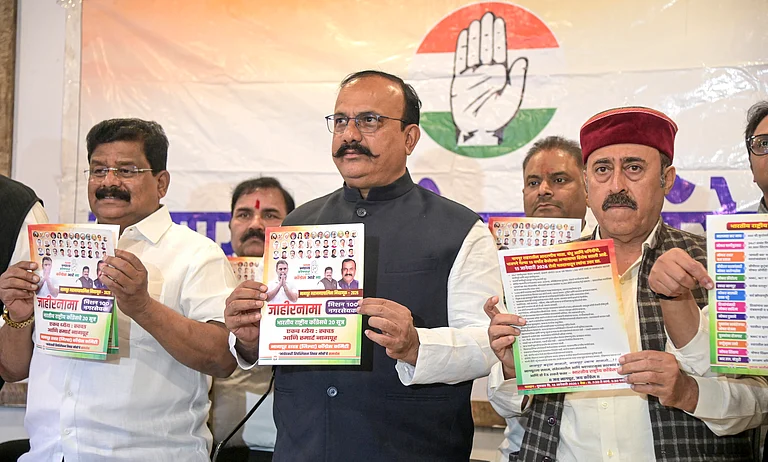 A Week before BMC Polls, Battle Of The Manifestos Heats Up A Week before BMC Polls, Battle Of The Manifestos Heats Up
 Demolitions In Malvani Trigger Political Row Over ‘Infiltrator’ Claims Demolitions In Malvani Trigger Political Row Over ‘Infiltrator’ Claims
 Mumbai’s Citizens Are Taking On The Political Class Ahead Of BMC Polls Mumbai’s Citizens Are Taking On The Political Class Ahead Of BMC Polls
[url=]Related Content[/url]
BMC Elections: Dance Performance At BJP-Linked Rally Sparks Political Row
A Week before BMC Polls, Battle Of The Manifestos Heats Up
Demolitions In Malvani Trigger Political Row Over ‘Infiltrator’ Claims
Mumbai’s Citizens Are Taking On The Political Class Ahead Of BMC Polls
In Dharavi, a 600-acre sprawl of corrugated tin roofs and narrow alleys housing over a million people, police rounds have become a familiar intrusion. Teams from the Mumbai Police's Foreigners Regional Registration Office descend unannounced, often at dawn, fanning out through the warren of lanes. They demand Aadhaar cards, voter IDs, and birth certificates, cross-referencing them against databases for discrepancies. Mobile phone records are scanned for calls to Bangladeshi numbers; tip-offs from informants lead to raids on cramped tenements. "We focus on high-density areas where intelligence suggests clusters of undocumented migrants," a senior police official said, speaking on condition of anonymity because he was not authorised to discuss operations publicly. "It's about national security, preventing infiltration that could fuel crime or extremism."
The numbers tell a story of escalation. From January to November 2025, Mumbai police registered 401 cases against suspected illegal immigrants, leading to 1,001 deportations, far surpassing the 158 in 2024 and 61 in 2023. Officials attribute the spike to central government directives, including a "push-back" policy that expedites removals without full court proceedings in some cases. In nearby Pune, part of the broader Maharashtra crackdown, 81 Bangladeshis were among 104 deportations last year. Reports from human rights groups estimate that between 700 and 750 individuals have been deported specifically from Dharavi and Kurla in recent months, though exact figures remain opaque due to the opacity of the process.
Kurla, another hub of migrant labourers with its bustling markets and railway-adjacent shanties, has seen similar intensity. Residents describe a climate of fear: families pooling money for forged documents, others fleeing to relatives in less scrutinised suburbs. "Most of us are from Bihar or Bengal, working 12-hour shifts for 500 rupees a day," said Rafiq Hussain, a scrap sorter in Kurla East, who showed scars from a recent police scuffle. "But if your name sounds Muslim and you speak with an accent, you're a suspect." Advocacy organizations like Citizens for Justice and Peace have documented cases of Indian citizens, particularly Bengali Muslims, being deported without due process, and sometimes repatriated only after Bangladesh rejects them as non-nationals.

Dharavi: Too Narrow For Bulldozers, Not For Displacement
BY Pritha Vashisth |





