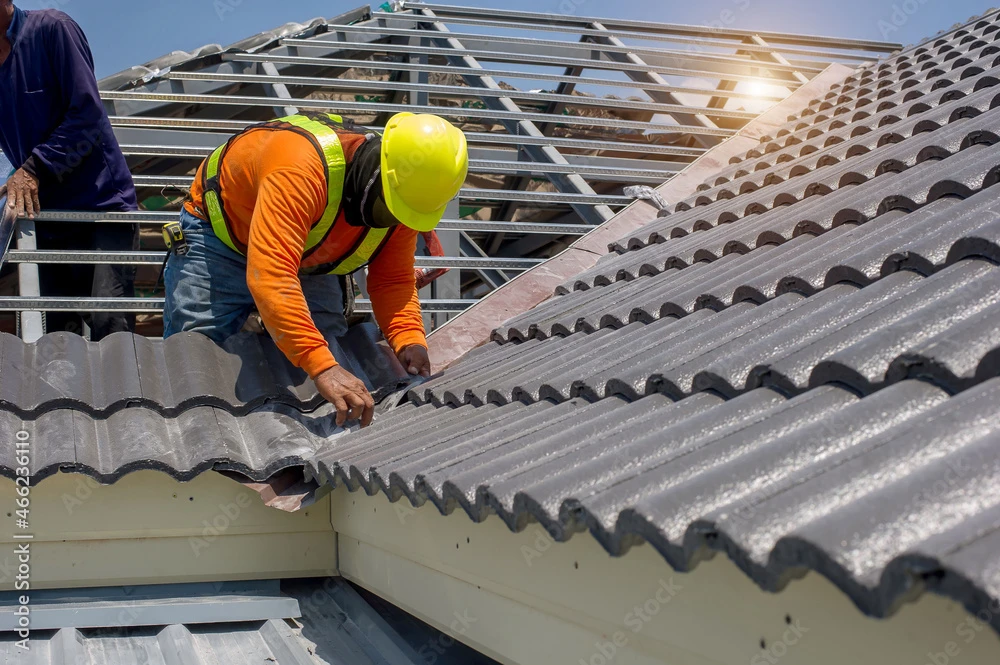
Roofs don’t age all at once. They age in stages. Most homeowners underestimate the pace of this process because the surface looks unchanged from the street. But inside the structure, temperature swings, moisture exposure, and material fatigue reshape a roof every single year. Understanding what truly happens at the 10-year, 20-year, and 30-year marks helps you predict issues long before they appear.
Table of Contents [url=]Toggle[/url]
The First 10 Years: Early Stress and Surface Wear
The first decade of a roof’s life looks easy from the outside, but it’s more active than most people think. During these years, the roof absorbs the shock of seasonal shifts. Heat expands materials. Cold contracts them. Wind pushes the shingles or membrane. Moisture begins testing the seams and flashing.
Surface-Level Aging
Granule loss starts almost immediately. Even premium shingles release granules during early weather cycles. This isn’t a failure; it’s the natural beginning of wear.
Flashing Movement
The thin metal around vents, chimneys, and skylights starts reacting to temperature changes. While still structurally strong, flashing becomes slightly more flexible, creating small openings that can accelerate aging later.
Insulation and Ventilation Adjustment
By year five or six, you’ll notice the attic feeling slightly warmer in summer. This is normal. It means the roof is beginning the long journey of internal thermal stress.
Why Early Inspections Matter
Even though the first decade seems uneventful, catching small issues prevents expensive mid-life repairs. Many homeowners rely on a Residential Flat Roofing Contractor during this period to evaluate subtle structural changes and confirm that the roof is aging normally.
Year 10 to 20: The Mid-Life Weakening Phase
This is when the roof’s early stress begins to show more clearly. The structural layers beneath the surface start revealing signs of fatigue. Homeowners often misread this as “minor wear,” but it’s actually the phase where the roof decides how long it will ultimately last.
Shingle or Surface Deterioration
Edges start curling. Small cracks appear. Surface thinning becomes noticeable. Granule layers lose density, exposing more of the roof to UV radiation.
Underlayment Changes
The underlayment begins weakening, especially after repeated storms or heat cycles. Moisture spreads faster through older underlayment because it loses resilience over time.
Decking Movement
The wood beneath the roofing system starts flexing more noticeably. Even slight dips in the roofline suggest that the decking is reacting to long-term weather pressure.
Attic Symptoms
By year fifteen, attic humidity may increase, insulation might compress, and small moisture streaks may appear on rafters. These are signs that airflow or surface protection is weakening.
Why Mid-Life Maintenance Is Crucial
This is the phase that determines whether the roof lasts 25–30 years or fails early. That’s why many homeowners schedule detailed inspections with a Residential Flat Roofing Contractor, especially if the structure has faced harsh winters, heavy snow, or intense heat.
Year 20 to 30: The Critical Aging Stage
Roofs don’t gracefully glide through these years. They fight through them. Every past storm, temperature shift, and moisture entry becomes more visible.
Shingle or Surface Breakdown
Cracks widen. Sections may lift. The roof loses the flexibility it once had. Brittle materials don’t bounce back after storms.
Flashing Weakening
Flashing that once formed a tight seal may now warp or pull away slightly. Even tiny gaps create leak pathways.
Moisture Expansion
Water spreads faster through older roofing systems. Wood absorbs moisture more easily, causing rot, mold, and structural weakness.
Insulation Compromise
Insulation loses effectiveness. Temperature differences between floors grow. You may even notice heating or cooling inefficiencies.
Frequent Minor Repairs
A roof in its third decade often demands more attention: patching, sealing, and replacing small sections. These aren’t random issues—they’re signs the roof is nearing the end of its structural lifespan.
The End-of-Life Indicators
Some signs mean the roof is no longer performing properly:
- Sagging roofline
- Persistent attic dampness
- Multiple shingle failures
- Visible daylight through attic boards
- Widespread cracking or blistering
These indicators tell you the system’s protective capabilities are fading.
Why Roof Lifespan Differs From Home to Home
Climate, maintenance habits, installation quality, ventilation design, and storm exposure all determine longevity. Two identical homes with the same roofing material can age at dramatically different speeds if one is shaded and the other sits under constant sun.
How to Extend Roof Life at Every Stage
Aging can’t be stopped, but it can be slowed:
- Maintain clean gutters
- Improve attic ventilation
- Replace damaged shingles immediately
- Perform seasonal inspections
- Monitor insulation conditions
At every stage—10, 20, or 30 years—routine care reduces long-term damage.
The Role of Professional Inspections
Homeowners can catch basic signs, but professionals identify structural issues invisible from the ground. A Residential Flat Roofing Contractor evaluates decking integrity, ventilation flow, flashing conditions, and weakened underlayment. These inspections become essential during mid-life and end-life phases. [/url] [url=https://www.addtoany.com/add_to/whatsapp?linkurl=https%3A%2F%2Fsunoshayari.com%2Fwhat-happens-to-a-roof-after-10-20-and-30-years%2F&linkname=What%20Happens%20to%20a%20Roof%20After%2010%2C%2020%2C%20and%2030%20Years] [/url] [url=https://www.addtoany.com/add_to/twitter?linkurl=https%3A%2F%2Fsunoshayari.com%2Fwhat-happens-to-a-roof-after-10-20-and-30-years%2F&linkname=What%20Happens%20to%20a%20Roof%20After%2010%2C%2020%2C%20and%2030%20Years] |





