 Summary of this article Summary of this article
- In Karbi Anglong, Assam, a recently surfaced video shows men shouting that indigenous Karbi youths must “go back to China”, creating political tensions in the region.
- In Dehradun, Anjel Chakma, a student from Tripura, was attacked following racial abuse and later died of his injuries.
- The two incidents show that when legal protections lose their everyday force, belonging re-enters the realm of negotiation.
In Karbi Anglong, Assam, a video has recently circulated showing men shouting at indigenous Karbi youths, telling them to “go back to China.” The words were delivered without hesitation—not in a burst of anger or panic, but with an ease that revealed something more unsettling than rage. The confidence suggested that questioning an indigenous community’s right to its own land no longer required justification, explanation, or even apology.
Not long after, in Dehradun, Anjel Chakma, a student from Tripura, was attacked following racial abuse and later died of his injuries. As the assault unfolded, he reportedly tried to assert something that shouldn’t have needed asserting in the first place: that he was Indian. The claim did not protect him; it did not interrupt the violence and it changed nothing. A member of the North East Students’ Society of Delhi University (NESSDU) collective responding to the attack observed, “He kept saying he was Indian because that is what people from the Northeast are forced to say when things turn violent.”
[url=]Related Content[/url]
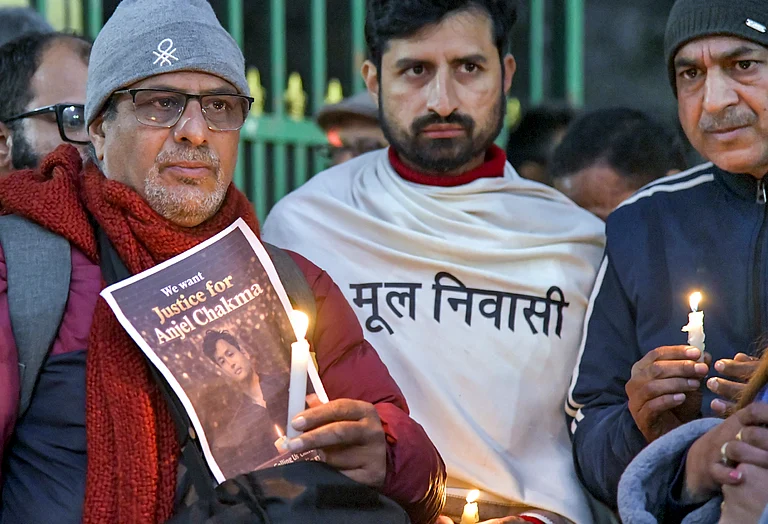 Anjel Chakma’s Brutal Murder Sparks National Outrage Over Racial Violence Anjel Chakma’s Brutal Murder Sparks National Outrage Over Racial Violence
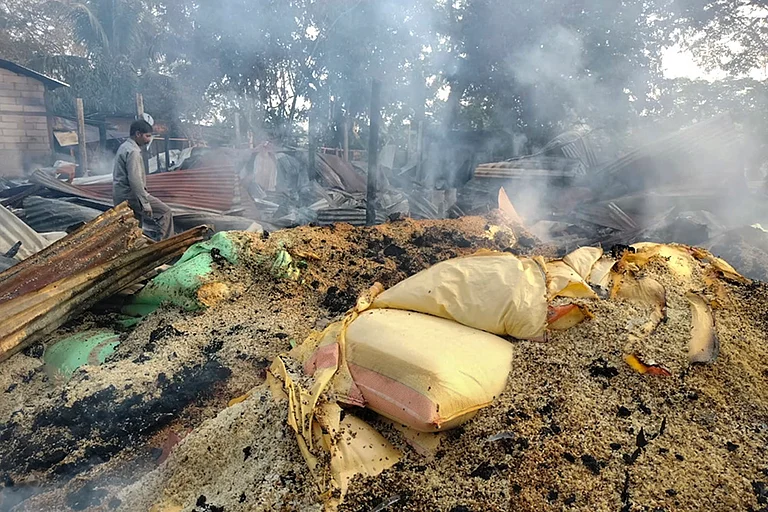 Normalcy Returns To West Karbi Anglong After Violence Normalcy Returns To West Karbi Anglong After Violence
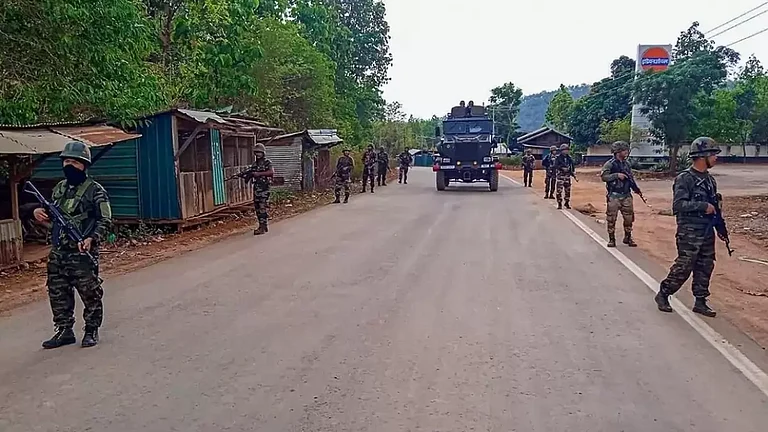 Army Deployed In Violence-Hit West Karbi Anglong, Assam Army Deployed In Violence-Hit West Karbi Anglong, Assam
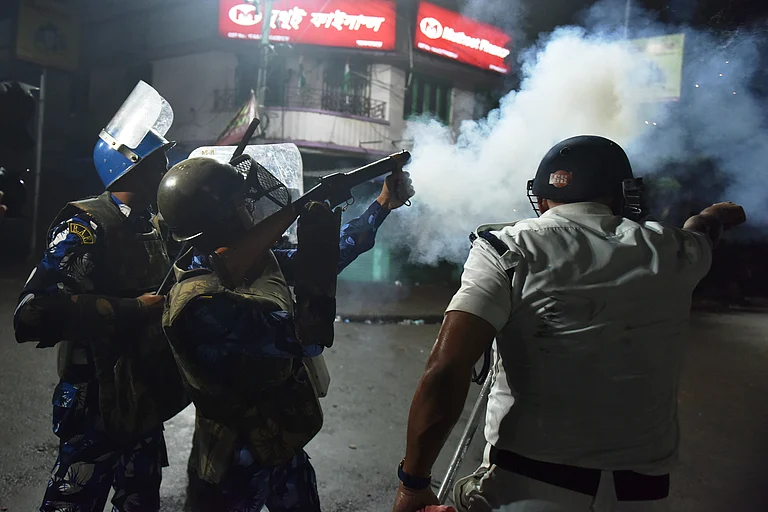 Section 163 Imposed in Assam’s West Karbi Anglong Amid Violent Protests Section 163 Imposed in Assam’s West Karbi Anglong Amid Violent Protests
[url=]Related Content[/url]
Anjel Chakma’s Brutal Murder Sparks National Outrage Over Racial Violence
Normalcy Returns To West Karbi Anglong After Violence
Army Deployed In Violence-Hit West Karbi Anglong, Assam
Section 163 Imposed in Assam’s West Karbi Anglong Amid Violent Protests
These two moments are being discussed as separate failures—one framed as a localised flare-up of hostility, the other as racial violence unfolding far from the region. But when read together, they point to something more durable and more troubling. In the Northeast, belonging has thinned precisely where it should be most secure. Outside the region, citizenship collapses with alarming speed. The forms of violence differ, but the condition beneath them is shared. This is not a failing that occurs episodically; rather, it develops gradually over time. |





