[color=hsl(0,0%,0%)]The Indian automotive industry entered 2025 with uncertainty rather than momentum. Dealer yards were carrying elevated inventory, retail sentiments were cautious, and buyers were increasingly inclined to delay purchases amid expectations of policy-led price corrections. What followed over the next 12 months was not a linear growth story, but a year defined by sharp inflection points, where regulation, taxation, fuel policy and global trade decisions reshaped demand patterns and competitive dynamics in ways that will influence the industry well beyond 2026.
[color=hsl(0,0%,0%)]A Slow Start: Inventory Glut & Tepid Early Demand
[color=hsl(0,0%,0%)]The year opened on a cautious note for both consumers and buyers. Passenger vehicle sales in the first quarter of calendar year 2025 remained uneven, with entry-level and small cars facing the sharpest pressure as affordability concerns intensified. Wholesale and retail momentum slowed as consumers postponed purchases in anticipation of expected price corrections and policy changes. This hesitation led to a visible build-up of inventory across urban and semi-urban markets, forcing OEMs and dealers to prioritise stock correction rather than fresh dispatches.
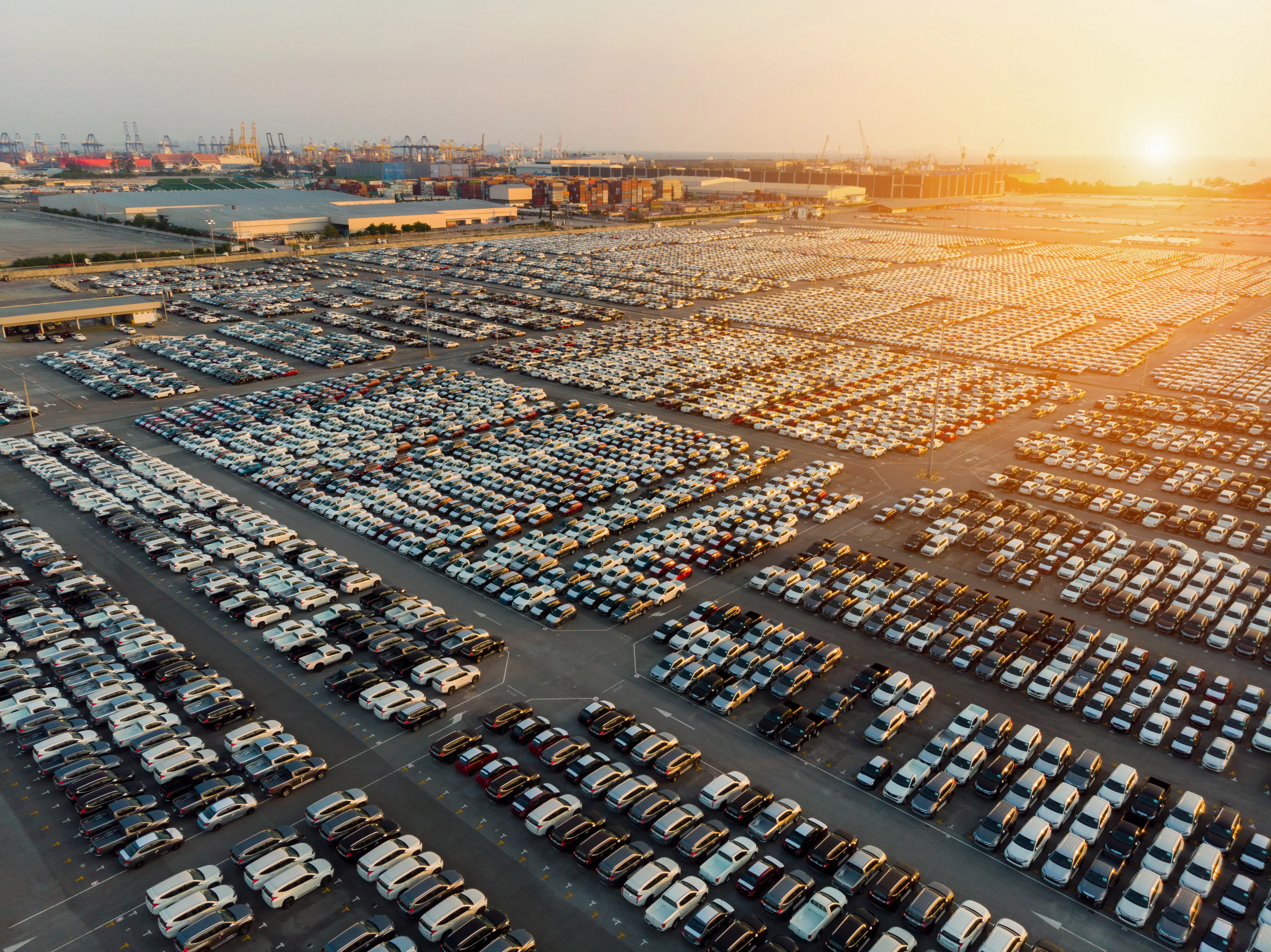 [color=hsl(0,0%,0%)]As a result, volumes remained muted through much of the first half of the year. While SUV-focused players such as Mahindra & Mahindra managed to sustain momentum, others including Tata Motors and Hyundai saw volumes soften, highlighting how growth had become increasingly dependent on segment mix rather than overall demand strength. [color=hsl(0,0%,0%)]As a result, volumes remained muted through much of the first half of the year. While SUV-focused players such as Mahindra & Mahindra managed to sustain momentum, others including Tata Motors and Hyundai saw volumes soften, highlighting how growth had become increasingly dependent on segment mix rather than overall demand strength.
[color=hsl(0,0%,0%)]This lull period and uneven start was endemic across manufacturers as the market waited for policy developments and potential tax reforms.
[color=hsl(0,0%,0%)]Union Budget Signaled Regulatory Shifts
[color=hsl(0,0%,0%)]The first major directional signal arrived with the Union Budget in February last year. On the surface, the reduction in import duties on motorcycles signaled a push to ease access for global premium brands: for bikes up to 1,600cc, duties on CBUs were cut from 50 to 40 per cent, SKDs from 25 to 20 per cent, and CKDs from 15 to 10 per cent; for motorcycles above 1,600cc, CBUs were reduced from 50 to 30 per cent, SKDs from 25 to 20 per cent, and CKDs from 15 to 10 per cent.
[color=hsl(0,0%,0%)]More consequential, however, was the government’s decision to remove customs duties on lithium-ion battery cells, battery management systems and critical EV manufacturing inputs. This move was widely interpreted as a structural commitment to domestic EV production rather than short-term demand stimulation. The budget’s tightened focus on clean-tech manufacturing and exemptions for components critical to EV production demonstrated policy alignment with India’s broader net-zero and industrialisation goals.
[color=hsl(0,0%,0%)]In February 2025, import regulations for vintage vehicles were also relaxed, allowing licence-free imports for cars older than 50 years. While niche due to high cumulative taxes, the move addressed heritage enthusiasts and updated legacy rules. This was largely symbolic but pragmatic.
[color=hsl(0,0%,0%)]E20 Rollout & Regulatory Environment
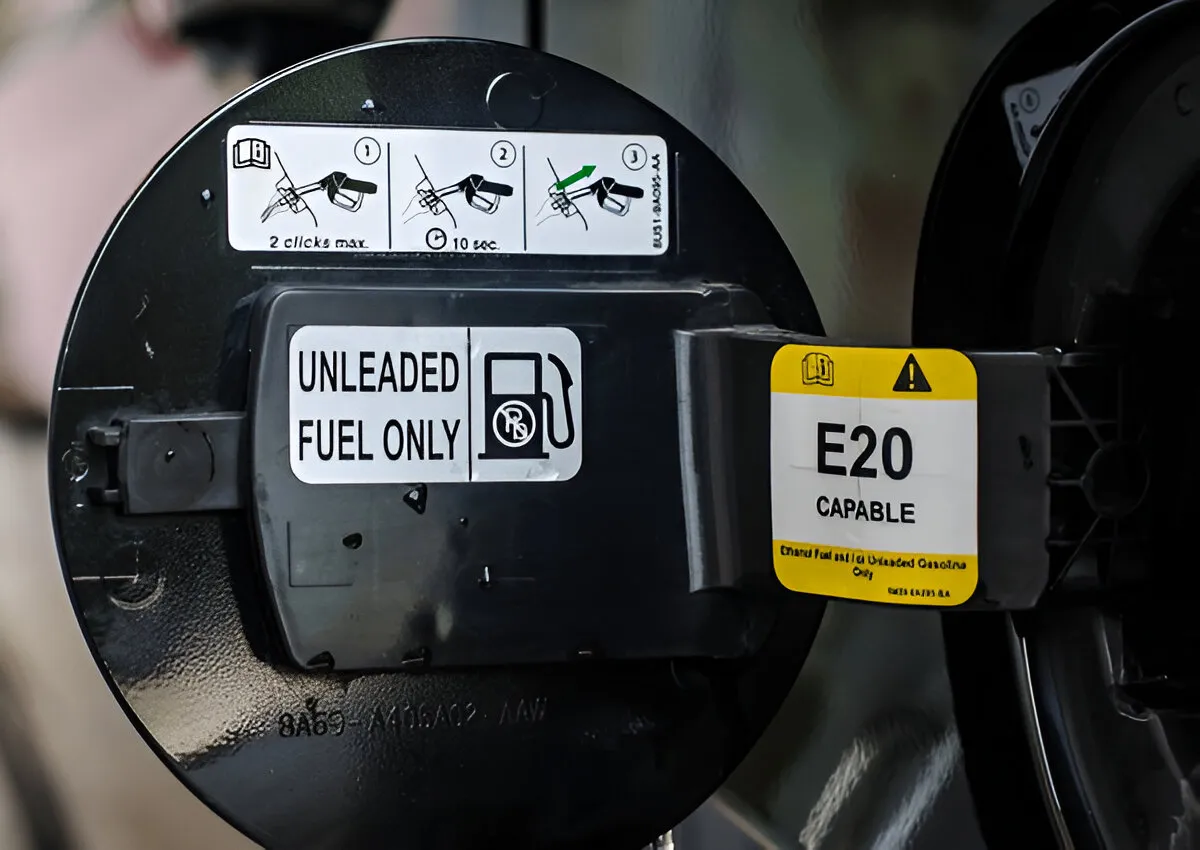
[color=hsl(0,0%,0%)]Fuel policy became the next point of disruption. In April 2025, the nationwide rollout of E20 petrol (20 per cent ethanol blend) replaced the earlier E10 standard. While intended to reduce fossil fuel dependence, real-world performance revealed fuel efficiency losses higher than official estimates, particularly for older BS4 vehicles. Concerns around compatibility, long-term engine health and running costs lingered through the year, highlighting the gap between laboratory assumptions and on-road realities. For consumers already sensitive to operating costs, E20 became a talking point rather than a clear win.
 [color=hsl(0,0%,0%)]Meanwhile, regulatory focus tightened on emissions and vehicle fitness. Draft CAFE 3 norms proposed stricter fleet-wide fuel efficiency targets, pushing manufacturers to rethink product mixes with greater emphasis on hybrids and EVs, beyond mere compliance. [color=hsl(0,0%,0%)]Meanwhile, regulatory focus tightened on emissions and vehicle fitness. Draft CAFE 3 norms proposed stricter fleet-wide fuel efficiency targets, pushing manufacturers to rethink product mixes with greater emphasis on hybrids and EVs, beyond mere compliance.
[color=hsl(0,0%,0%)]At the city level, attempts to impose restrictions on older vehicles such as Delhi’s brief ban on high-age petrol and diesel vehicles created compliance pressures and public pushback, reflecting the complexities of urban vehicle regulation.
[color=hsl(0,0%,0%)]Trade Policy Entered the Auto Conversation
[color=hsl(0,0%,0%)]Trade policy added another layer in July with the signing of the India–U.K. Free Trade Agreement (FTA). The agreement laid out a phased reduction in duties on U.K.-built luxury cars and motorcycles under a quota-based system, setting the stage for meaningful price corrections in the premium segment over the next five years. Equally important, though less immediately visible, was the commitment to grant Indian-made electric vehicles duty-free access to the U.K. market later in the decade. This positioned India not just as a consumption market, but as a potential export base for global EV programs.
[color=hsl(0,0%,0%)]The broader trade environment in 2025 also brought significant turbulence, particularly in India’s relationship with its largest export destination, the United States of America. In an effort to protect domestic manufacturing, the U.S. introduced reciprocal tariffs of 25 per cent on imports of passenger vehicles and auto parts from India in August 2025, applying equivalent duties in response to India’s historically higher tariff regime on U.S. goods.
[color=hsl(0,0%,0%)]India’s auto component sector was particularly exposed, as around 27 per cent of its export volume was destined for the U.S., with U.S. tariffs now making Indian parts less competitive compared with suppliers in Japan, Vietnam or Indonesia who face lower duty burdens. The tally of affected production was estimated at around 8 per cent of India’s total component output, according to credit rating agency ICRA, and experts suggested short-term export loss to the U.S. could reach roughly 15–20 per cent for affected suppliers unless alternative markets or value-added products are prioritised. India has formally sought consultations with the United States under the WTO’s safeguard provisions to challenge the blanket application of these tariffs, signalling that New Delhi is pushing for negotiated relief even as global trade tensions rise.
[color=hsl(0,0%,0%)]Despite these developments, demand through the middle of the year remained subdued. Buyers continued to hold back, anticipating clearer pricing signals, while dealerships worked through unsold stock accumulated earlier in the year.
[color=hsl(0,0%,0%)]GST 2.0: The Defining Inflection Point of 2025
[color=hsl(0,0%,0%)]August 2025 saw declines across major passenger vehicle OEMs. Maruti Suzuki, Tata Motors, Mahindra & Mahindra and Hyundai all reported drops in sales, as the government announced sweeping indirect tax reforms but deferred their implementation to September. With a reduction in GST rates on select vehicle categories widely anticipated, customers chose to postpone purchases, dealers slowed dispatches, and retail momentum weakened across segments as the market went into a wait-and-watch mode.
[color=hsl(0,0%,0%)]It was only in September that the industry experienced its most decisive turning point. The introduction of comprehensive GST reforms fundamentally altered the economics of vehicle ownership. Lower tax rates for compact cars and two-wheelers, coupled with the dismantling of the cess-based structure for larger vehicles, allowed manufacturers to reset prices across segments. GST on cars below 4 meter was reduced to 18 per cent from previous 28 per cent + cess, two-wheelers up to 350cc also attracted 18 per cent GST while larger vehicles moved to a flat 40 per cent GST, replacing the higher cess-inclusive regime. This effective reduction in tax burdens allowed OEMs to reset retail pricing and catalyse pent-up demand. Several OEMs went beyond the mandated reductions, using the timing to aggressively stimulate demand, ahead of the festive season.
[color=hsl(0,0%,0%)]The impact was immediate and visible. The festive months of October and November delivered record passenger vehicle wholesales, with October alone pushing monthly volumes to all-time highs. Passenger vehicle wholesales hit highest ever in India’s retail history of 5.57 lakh units in October 2025, largely driven by SUVs, mid-sized cars and festive offers. Importantly, inventory levels eased by 5–7 days to 53–55 days.
[color=hsl(0,0%,0%)]November 2025 continued momentum with strong retail demand, improved affordability and festive-driven sentiment, combining to clear inventory rapidly and restore confidence across the value chain. By year-end, what had begun as a cautious market had transformed into a record-setting one.
[color=hsl(0,0%,0%)]2025 Sales Performance: Rankings, Numbers & Shifting Competition
[color=hsl(0,0%,0%)]Overall performance in 2025 reflected both recovery and realignment. India’s passenger vehicle wholesales surged to approximately 44.75 lakh units in 2025, up nearly 9.7 per cent over the previous year, despite a slow start. SUVs once again emerged as the dominant growth engine, reinforcing the structural shift away from entry-level hatchbacks. The competitive landscape also underwent a notable reshuffle. Maruti Suzuki retained its leadership position with total sales of 17.86 lakh units in 2025, benefiting from its breadth across price points and strong rural reach. Mahindra & Mahindra delivered one of the most significant stories of the year, leveraging sustained SUV demand to cross the 5.92 lakh unit mark and overtake key rivals to claim the second spot. Tata Motors followed closely with around 5.67 lakh units taking the third spot, supported by its SUV portfolio and continued EV presence. Hyundai, once firmly entrenched as the number two player in India, found itself edged out, ending the year at roughly 5.59 lakh units, marking a relative decline for the South Korean carmaker. The data does not include sales made in Telangana state.
| [color=hsl(0,0%,0%)]PV OEM Ranking in CY 2025 | [color=hsl(0,0%,0%)]CY'25 Sales | [color=hsl(0,0%,0%)]Market Share (%) in CY'25 | | [color=hsl(0,0%,0%)]1. Maruti Suzuki India | [color=hsl(0,0%,0%)]17,86,226 | [color=hsl(0,0%,0%)]39.91% | | [color=hsl(0,0%,0%)]2. Mahindra & Mahindra | [color=hsl(0,0%,0%)]5,92,771 | [color=hsl(0,0%,0%)]13.25% | | [color=hsl(0,0%,0%)]3. Tata Motors | [color=hsl(0,0%,0%)]5,67,607 | [color=hsl(0,0%,0%)]12.68% | | [color=hsl(0,0%,0%)]4. Hyundai Motor India | [color=hsl(0,0%,0%)]5,59,558 | [color=hsl(0,0%,0%)]12.50% | | [color=hsl(0,0%,0%)]5. Toyota Kirloskar Motor | [color=hsl(0,0%,0%)]3,20,703 | [color=hsl(0,0%,0%)]7.17% |
[color=hsl(0,0%,0%)]This marks a historic reordering of the Indian PV market, with Mahindra’s SUV strategy paying dividends against traditionally diversified portfolios. Toyota Kirloskar Motor also had a standout year, posting its highest-ever annual tally of 3.20 lakh units in India, mainly driven by MPVs, SUVs and hybrid variants.
| [color=hsl(0,0%,0%)]Two-Wheeler OEM Ranking in CY 2025 | [color=hsl(0,0%,0%)]CY'25 | [color=hsl(0,0%,0%)]Market Share (%) CY'25 | | [color=hsl(0,0%,0%)]Hero MotoCorp | [color=hsl(0,0%,0%)]58,23,063 | [color=hsl(0,0%,0%)]28.69% | | [color=hsl(0,0%,0%)]Honda Motorcycle & Scooter India | [color=hsl(0,0%,0%)]50,37,953 | [color=hsl(0,0%,0%)]24.82% | | [color=hsl(0,0%,0%)]TVS Motor Company | [color=hsl(0,0%,0%)]37,88,459 | [color=hsl(0,0%,0%)]18.67% | | [color=hsl(0,0%,0%)]Bajaj Auto Group | [color=hsl(0,0%,0%)]21,55,166 | [color=hsl(0,0%,0%)]10.62% | | [color=hsl(0,0%,0%)]Bajaj Auto | [color=hsl(0,0%,0%)]21,55,166 | [color=hsl(0,0%,0%)]10.62% |
 [color=hsl(0,0%,0%)]The Exports Engine [color=hsl(0,0%,0%)]The Exports Engine
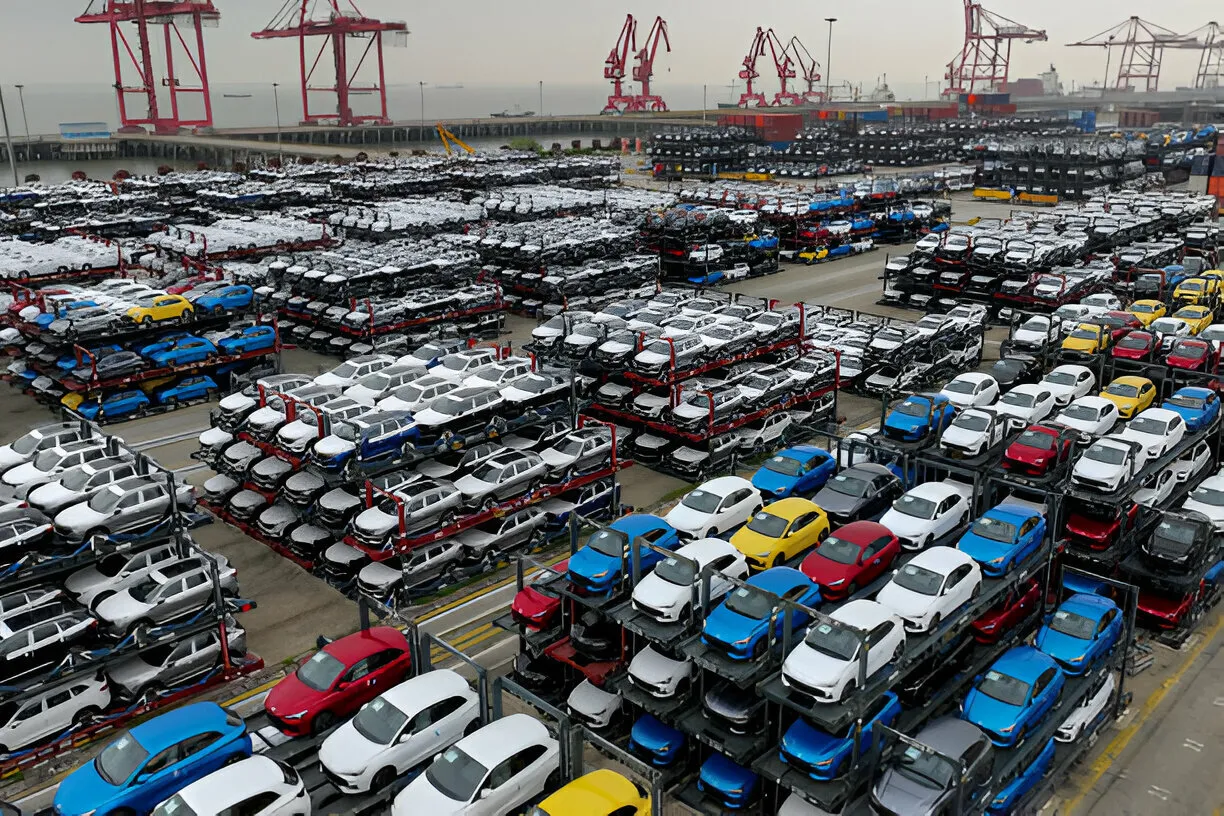
[color=hsl(0,0%,0%)]Beyond domestic sales, India’s export engine added another layer of strength. Maruti Suzuki alone exported 3,95,000 vehicles in 2025, its highest-ever annual tally, up over 21 per cent year-on-year, while remaining India’s top passenger vehicle exporter for the fifth consecutive year, shipping 18 models to more than 100 countries. The carmaker led shipments to both emerging and developed markets, reinforcing India’s credibility as a manufacturing and export hub, particularly for compact SUVs and cost-competitive global platforms.
[color=hsl(0,0%,0%)]Electric Mobility Gained Ground
[color=hsl(0,0%,0%)]Electric mobility moved steadily from policy intent to on-ground visibility over the course of 2025, even if mass adoption remained a work in progress. The year saw EVs occupy a more central place in strategic conversations, shaped as much by regulation and supply-side investment as by consumer demand. High-profile developments helped keep the segment in focus. Tesla’s entry in July with the Model Y, supported by the rollout of a dedicated supercharging network, marked a symbolic moment for India’s premium EV space, signalling that global EV leaders now viewed the market as strategically relevant rather than merely aspirational. VinFast’s subsequent arrival with two electric SUVs, coupled with manufacturing plant, further reinforced the sense that India had become an integral part of global EV expansion strategies rather than a peripheral add-on.
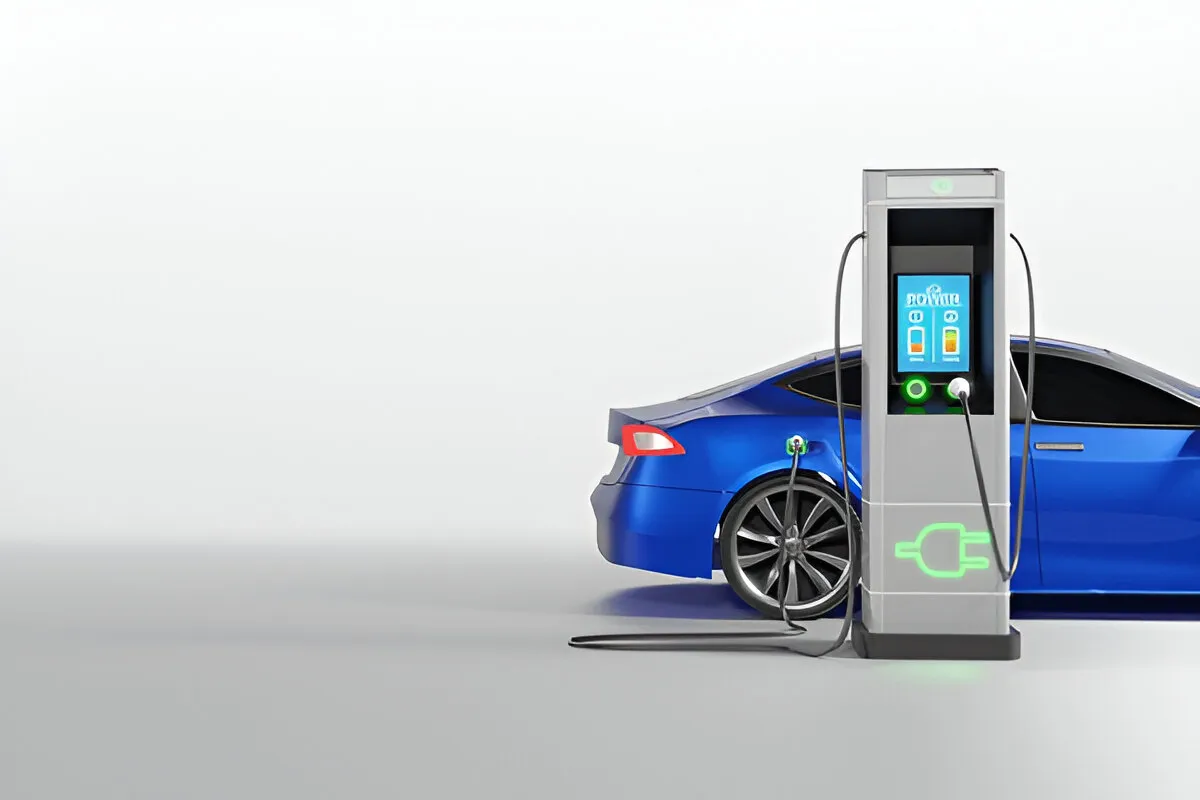 [color=hsl(0,0%,0%)]At the same time, the broader EV market told a more nuanced story. Adoption continued to be uneven, with growth concentrated largely in urban centres and fleet-oriented applications such as ride-hailing, last-mile delivery and corporate mobility. Private buyers remained cautious, constrained by higher upfront costs, charging anxiety beyond metros and lingering questions around long-term resale values. Two-wheelers and three-wheelers continued to lead electrification by volume, while passenger EV penetration improved only incrementally despite a widening product portfolio. In calender year 2025, India’s EV retail surged 16 per cent to 22.70 lakh units sold, with passenger vehicle accounting for more than 1.76 lakh units. [color=hsl(0,0%,0%)]At the same time, the broader EV market told a more nuanced story. Adoption continued to be uneven, with growth concentrated largely in urban centres and fleet-oriented applications such as ride-hailing, last-mile delivery and corporate mobility. Private buyers remained cautious, constrained by higher upfront costs, charging anxiety beyond metros and lingering questions around long-term resale values. Two-wheelers and three-wheelers continued to lead electrification by volume, while passenger EV penetration improved only incrementally despite a widening product portfolio. In calender year 2025, India’s EV retail surged 16 per cent to 22.70 lakh units sold, with passenger vehicle accounting for more than 1.76 lakh units.
[color=hsl(0,0%,0%)]Regulatory pressure continued to build in parallel. The proposed Draft CAFE 3 norms introduced significantly tighter fleet-wide efficiency targets, pushing manufacturers to reassess product mixes and accelerate the integration of hybrids and electric powertrains to balance emissions. For several OEMs, electrification became less a choice and more a compliance tool, particularly as internal combustion-heavy portfolios faced diminishing regulatory headroom. However, public resistance and partial rollbacks in some cases underlined the complexity of executing environmental regulation in a price-sensitive market.
[color=hsl(0,0%,0%)]By the end of the year, electric mobility in India had clearly moved beyond experimentation. Yet, it remained a transition in motion, driven by regulation, infrastructure investment and strategic positioning rather than a decisive shift in mass consumer behaviour. The groundwork laid in 2025 positioned EVs to play a far more consequential role in 2026, even as the industry acknowledged that the path to scale would be gradual rather than linear.
[color=hsl(0,0%,0%)]Reading 2026: Precision Over Pace
[color=hsl(0,0%,0%)]Looking ahead, the outlook for 2026 is best viewed through a framework rather than a single growth forecast. Passenger vehicle demand is expected to remain stable, with 4-7 per cent single-digit growth supported by SUVs, improving rural sentiment and sustained export momentum. However, growth will be selective, rewarding brands with clear positioning rather than broad portfolios. Pricing is likely to remain disciplined, with GST benefits largely baked in and limited room for further tax-led stimulus.
[color=hsl(0,0%,0%)]Powertrain strategies will increasingly define competitiveness, as stricter efficiency norms push manufacturers towards hybrids, EVs and diversified fuel offerings. Technology, particularly ADAS and connected features, will move from differentiation to expectation in higher segments. Trade agreements such as the India–UK FTA will gradually reshape premium pricing and export opportunities, while after-sales, financing and end of life vehicles economics will gain prominence as ownership patterns evolve.
[color=hsl(0,0%,0%)]Bird’s Eye View
[color=hsl(0,0%,0%)]2025 was a year of two halves for India’s automotive sector, a sluggish start marked by inventory overhang and cautious buying, followed by a sharp rebound propelled by structural tax reform (GST 2.0), festive demand, and a surge in SUV sales. By year-end, the industry not only recovered lost ground but also delivered historic volumes in both passenger vehicles (PVs) and across the broader auto ecosystem. Overall, the year demonstrated that India’s automotive sector is capable of absorbing short-term volatility.
[color=hsl(0,0%,0%)]As the sector moves into 2026, success will depend less on chasing growth headlines and more on executing with precision in a market that has become more policy-sensitive, more segmented and far more discerning than before. |





