 Summary of this article Summary of this article
- Student protests at JNU began over biometric and facial-recognition systems but escalated after the rustication of five JNUSU leaders and heavy financial penalties imposed by the administration.
- The Vice-Chancellor’s remark about SC/ST students “playing the victim card” ignited nationwide outrage, reopening debates on caste discrimination and institutional accountability in higher education.
- The police crackdown on the February 26 student march reflects a broader pattern of shrinking campus democracy, ideological contestation, and increasing state intervention in universities.
The brutal police crackdown on protesting students at Jawaharlal Nehru University (JNU) on February 26 has once again laid bare the increasingly coercive reflex of the current regime in dealing with dissent. What began in August last year as student opposition to biometric surveillance on campus was steadily inflamed by the rustication and financial penalties imposed on five elected office-bearers of the Jawaharlal Nehru University Students’ Union (JNUSU). The situation further escalated when the incumbent Vice-Chancellor remarked that Schedule Castes/Scheduled Tribes students often play the “victim card”. The reverberations of that statement travelled far beyond the campus, provoking condemnation across academic and social spaces.
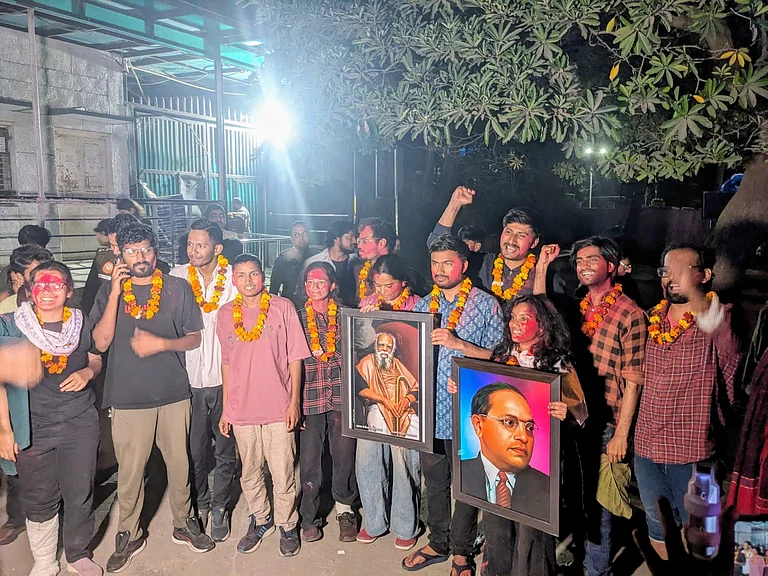
Three Days in Tihar: JNU Student Leader’s Diary of Arrest, Humiliation, Solidarity
BY Kizhakoot Gopika Babu |





