London-based tech hardware company Nothing has doubled down on the Phone 3 aesthetic and has created something that comes across as nothing short of beautiful, i.e., the Nothing Phone 4a Pro. The company’s thinnest phone yet and the first phone in the (a) series to have a metallic body earns every bit of hype that it created before the launch. Phone 4a Pro takes a huge leap while maintaining the same design philosophy that Nothing follows. However, there are things to be addressed, and we will talk about them in this review.
Here are the specs for the techies.
Specifications: Nothing Phone 4a Pro
CategoryDetailsDesign & BuildAluminium chassis with transparent camera module; flat edges, rounded corners, matte finish; available in Black, Silver, Pink; 7.95mm thickness; 210 grams weight; IP65 rating (dust & splash resistant)Display6.83-inch AMOLED, 1.5K resolution, HDR10+ support, 100 per cent DCI-P3, adaptive refresh rate up to 144Hz (capped at 120Hz in practice)Glyph MatrixLarger LED matrix than Phone 3; supports notifications, calls, timers, charging status, solar path, moon phase, battery indicator; non-touch, requires flip-to-useProcessorQualcomm Snapdragon 7 Gen 4 SoC; LPDDR5X RAM + UFS 3.1 storagePerformance ScoresAnTuTu: 12,42,951; Geekbench Single-core: 1,335; Multi-core: 4,168; 3D Mark: 45FPS, Thermal stability of 99 per cent; Read speeds: 2.1GBps, Write speeds: 1.7GBpsCooling System5,300mm² vapour chamber cooling; efficient thermal managementRear CamerasTriple setup: 50MP Sony LYT700C primary (OIS), 8MP ultrawide (120-degree FOV), 50MP JN5 (tetraprism) periscope telephoto (OIS, up to 140x AI-powered digital zoom)Front Camera32MP punch-hole selfie cameraCamera FeaturesTrueLens Engine 4, HDR inconsistencies, competent portrait mode and good low-light performance, vibrant and lively colours in daylightSoftwareNothing OS 4.1 (Android 16) out of the box; clean UI, no bloatware/ads; 3 years OS + 6 years security updates; Essential Space feature with AI summarisation, 300 minutes of AI analysisAudioDual speakers; balanced highs, good for movies/TV; HDR streaming supported on YouTubeBattery5,400mAh lithium-ion; 50W fast charging (charger not included); About 14 hours in medium usage Connectivity5G, Wi-Fi, Bluetooth; NFC (not in india variant); eSIM in selected variants (not in India variant)SecurityOptical in-display fingerprint scanner (bottom placement)Price (India)starts Rs 39,999 ProsPremium design, vibrant AMOLED, strong primary and telephoto cameras, dependable performance, clean and optimised software, good thermal managementCons8MP ultrawide lens, no NFC and eSIM in India, charger not includedFirst Impressions: Nothing Phone 4a Pro's Design
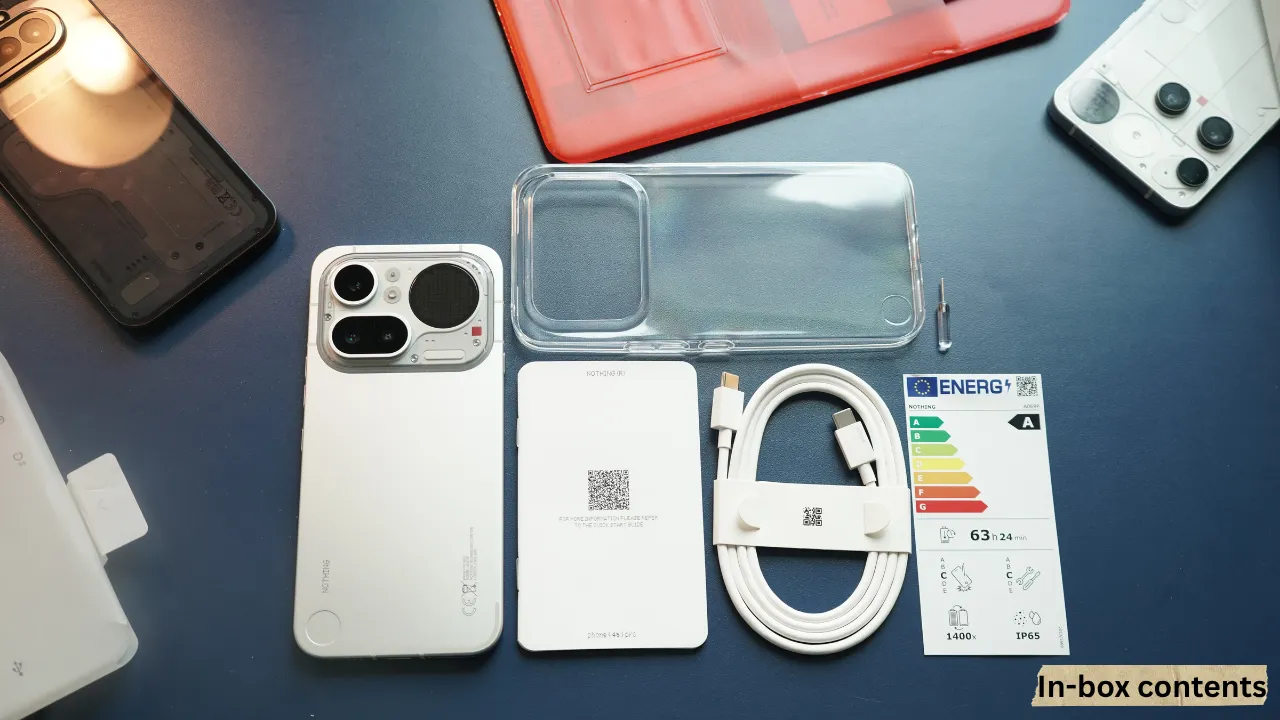
The phone is powered by the Qualcomm Snapdragon 7 Gen 4, a 4nm TSMC chip offering speeds up to 2.8GHz with 1 prime core, 4 performance cores, and 3 efficiency cores (1x4x3 configuration). Nothing claims that users can expect 30 per cent improved GPU performance and a 27 per cent increase in CPU performance with the Phone 4a Pro’s LPDDR5X RAM.
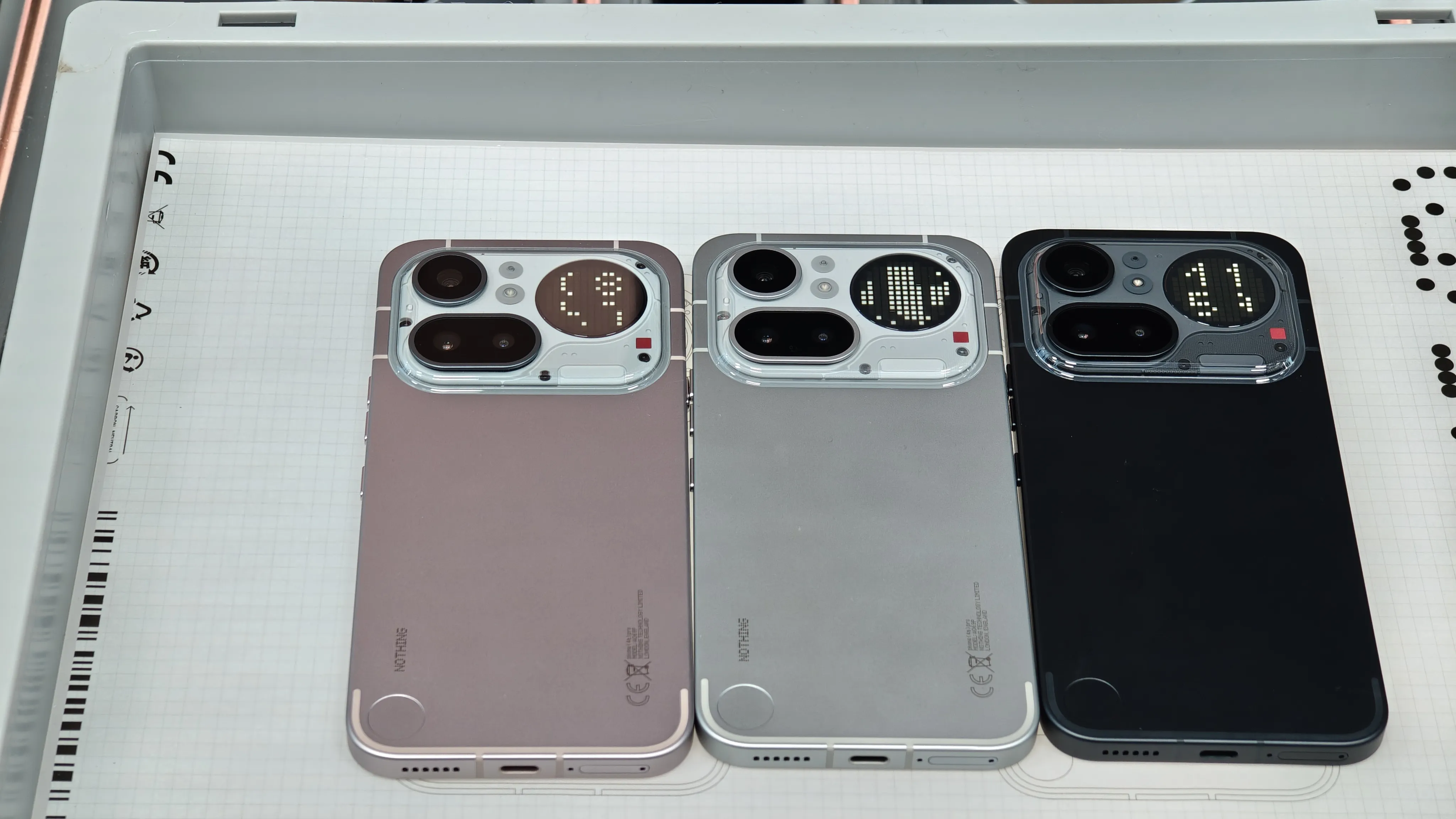
The camera island is the first thing that catches the eye. The transparent glass cover houses the three cameras, i.e., a 50MP primary sensor, a 50MP telephoto unit, and an 8MP ultrawide shooter, along with the larger and brighter Glyph Interface in a neat and kind eccentric layout. The telephoto is placed at the top left corner, while the primary and ultrawide cameras are located side by side under the telephoto shooter. The Glyph Interface is placed on the right-hand side and takes a considerable amount of space. Now, you might not notice it at first, but this Glyph Interface is way bigger than the one on the Phone 3. Here is a photograph for your reference.
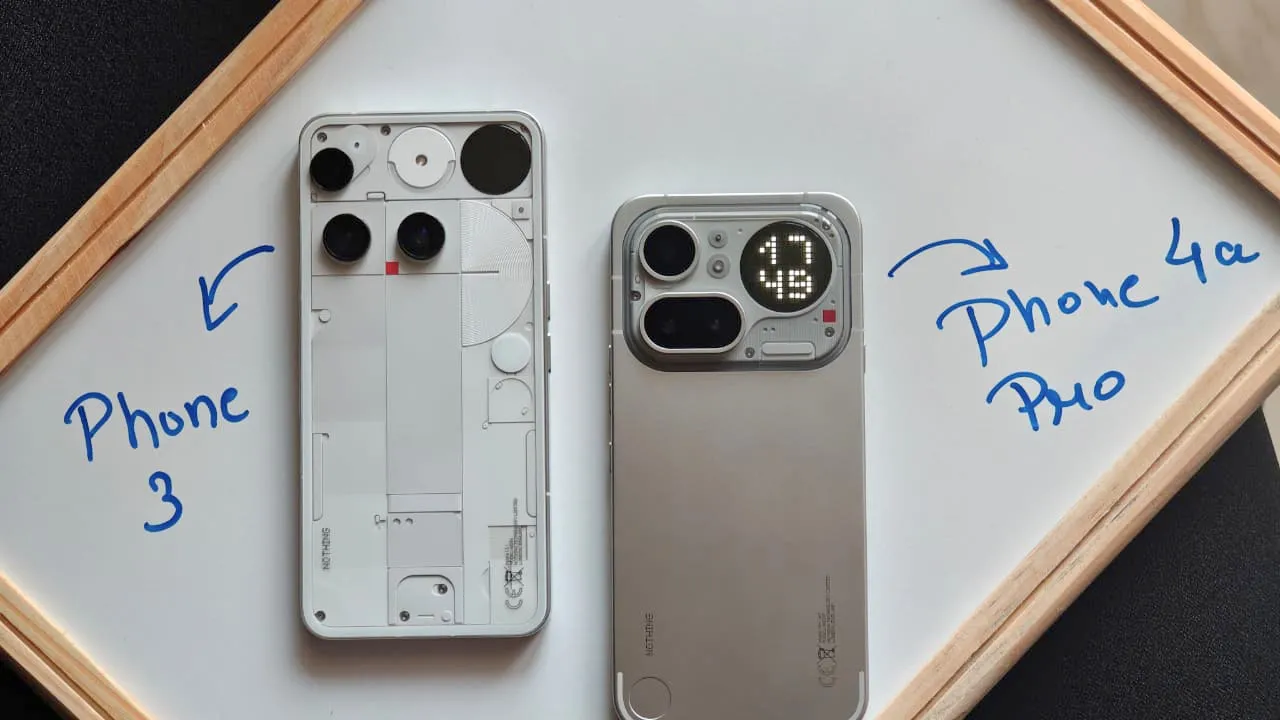
The rest of the phone is unibody aluminium with a matte finish. It looks extremely classy, and if I might add, a bit business-chic. The phone embodies the Nothing philosophy, but at the same time, it is a huge leap forward towards something we have not seen Nothing do, which is deviating from its transparent back design language. The camera-plus Glyph Interface design is so striking that I almost didn't notice that the Nothing 4a Pro's camera island looks almost identical to the iPhone 17 Pro's new camera island. Regardless, it looks extremely good. Furthermore, there is an indentation at the bottom-left corner, which I immediately assumed was the glyph control button, but I was wrong. There is, in fact, no physical button this time to control the Glyph Interface, which poses a problem, especially to me, who is now used to fiddling around with the Glyph Interface on the Phone 3.
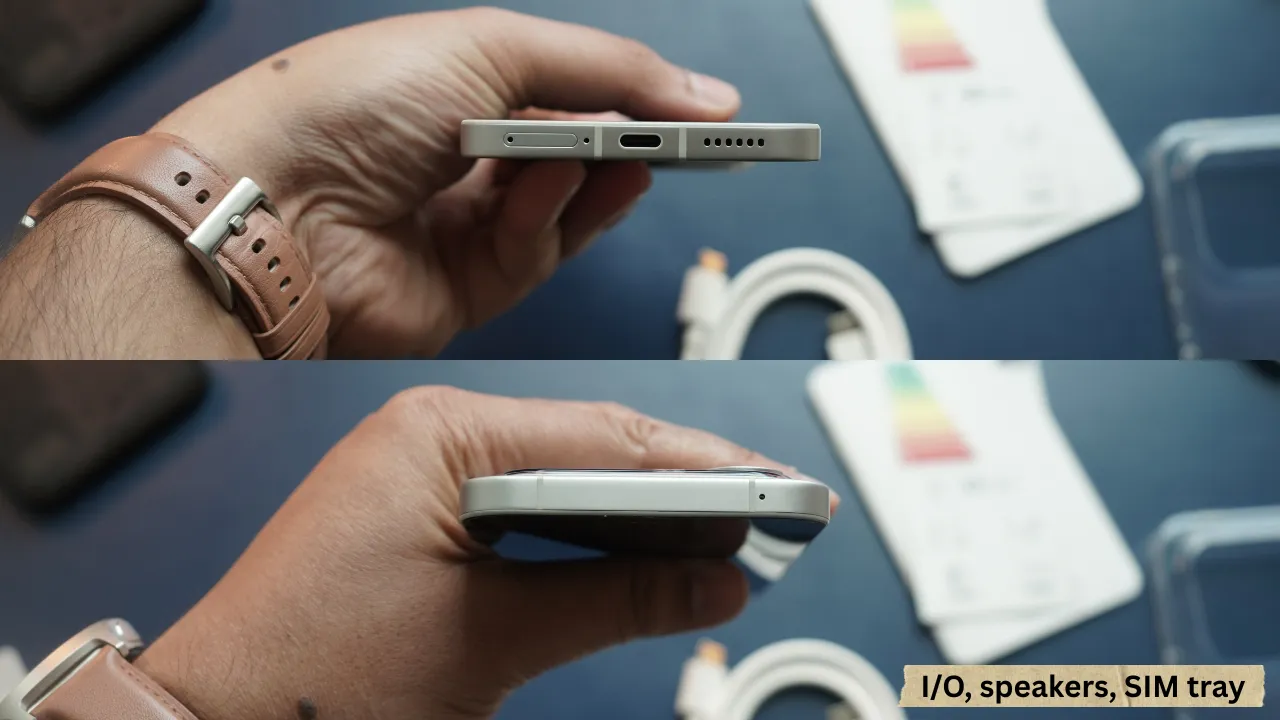
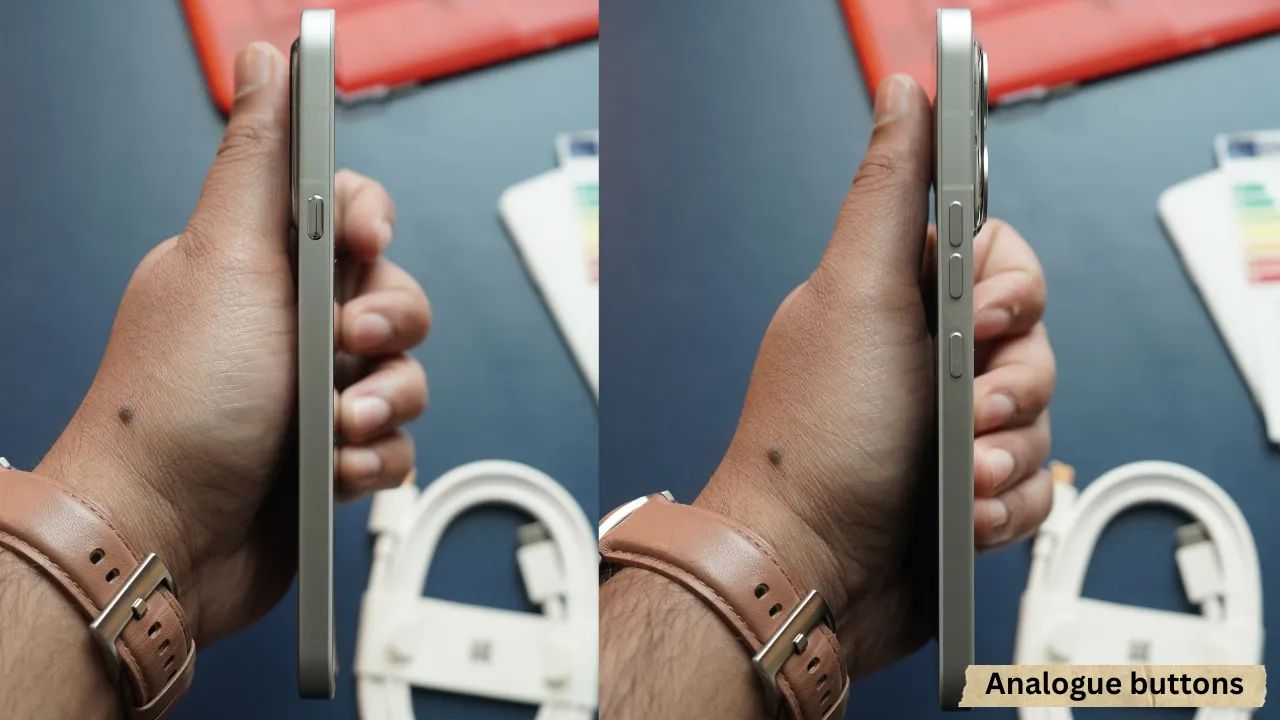
At the bottom, we have the USB Type-C port, the SIM tray, and the speaker grille. At the top, we have the second speaker. The volume control buttons are on the right-hand side this time, along with the power button. The Essential Key has been moved to the left-hand side of the Phone 4a Pro. Finally, users will not be pressing on the Essential Key instead of the Power and vice versa. This is a welcome change.
Display: Bright, Responsive, 144Hz
The display on the Nothing Phone 4a Pro is, without a doubt, one of its USPs. The vibrant, bright, and smooth OLED panel offers a lot of value to the users. Everyday tasks such as browsing the internet, reading latest developments, scrolling on social media, streaming content on OTTs, and simply interacting with the phone UI are effortless. The display does say 144Hz; however, it is 120Hz for the most part. The 144Hz refresh rate is reserved for limited apps, which were mostly casual games like Subway Surfer. The bezels are slimmer than the Nothing Phone 4a; they are symmetrical, and they just blend in with the whole look.
Cameras: A Triple Tag-team That Earns Its ‘Pro’ Tag
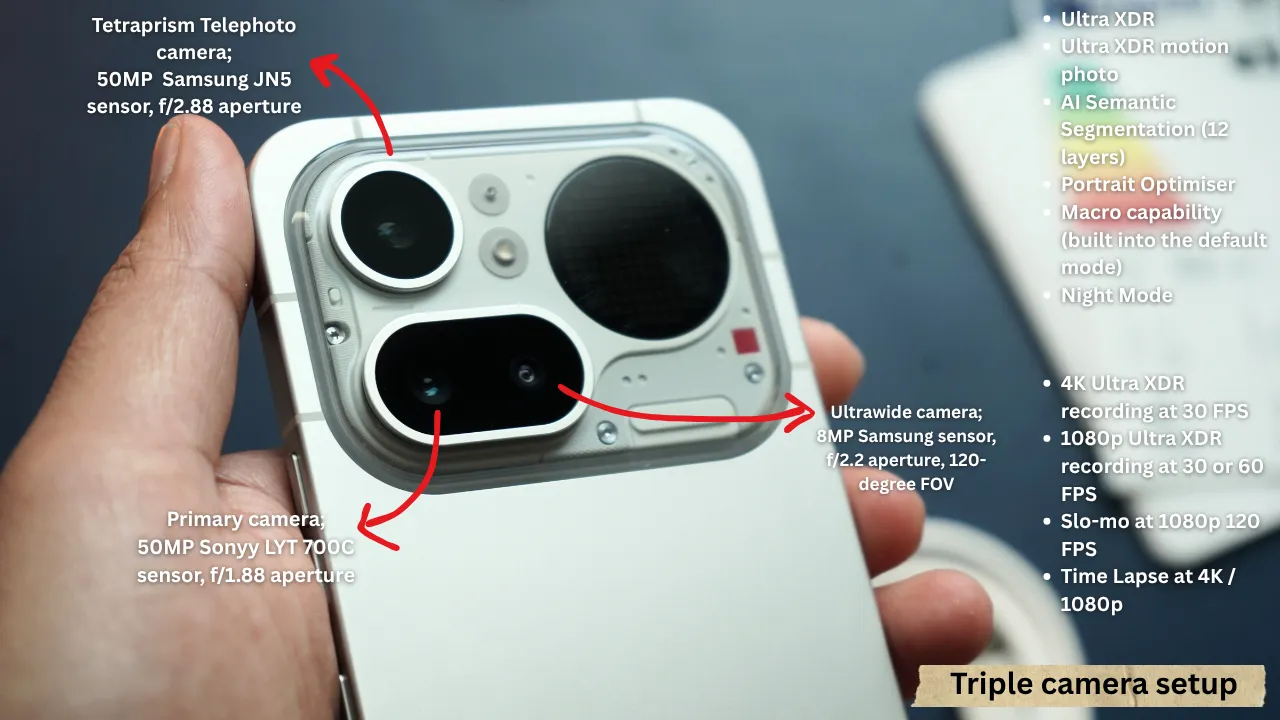
The triple camera setup of the Phone 4a Pro is definitely one that deserves praise. The 8MP ultrawide and 50MP telephoto cameras are the same as the ones on the Phone 4a. The primary 50MP sensor, however, is different. The Phonr 4a Pro uses a 50MP Sony LYT700C sensor with a larger aperture. This essentially means that there will be more light intake in this sensor and hence, better photos. That said, the tuning of the cameras in the Phone 4a Pro is different from the Phone 4a. Therefore, even with the same sensors, the final output is much better.
The new 50MP Sony Lytia 700C sensor claims to be 24 per cent bigger than the 50MP sensor in the Phone 3a Pro. There is also the tale of the new triple 12-bit ISP (image signal processor), which allows the phone to zoom in up to 140 times. This is a first for Nothing. The 140 times AI-powered Zoom photos are a bit of a grey area. Firstly, I do not know a lot of people who use a 140x telephoto zoom in their daily lives. Secondly, the quality of the photos is not what you would call ‘social media worthy’. So, who is it for then? That is a good question.
On the contrary, the 50MP primary camera is a powerhouse and is much, much better than what I had anticipated initially. The photograph quality, be it in terms of exposure, or contrast, or saturation, is great. The same can be said for the telephoto camera. The colour science in these cameras is more natural and inclined towards warmer tones. The amount of sharpness that the ISP adds is also not that much which is a good thing. Both the 50MP cameras retain a lot of details in the photographs, delivering an overall good output.
Here are a few samples from the three cameras of the Nothing Phone 4a Pro:
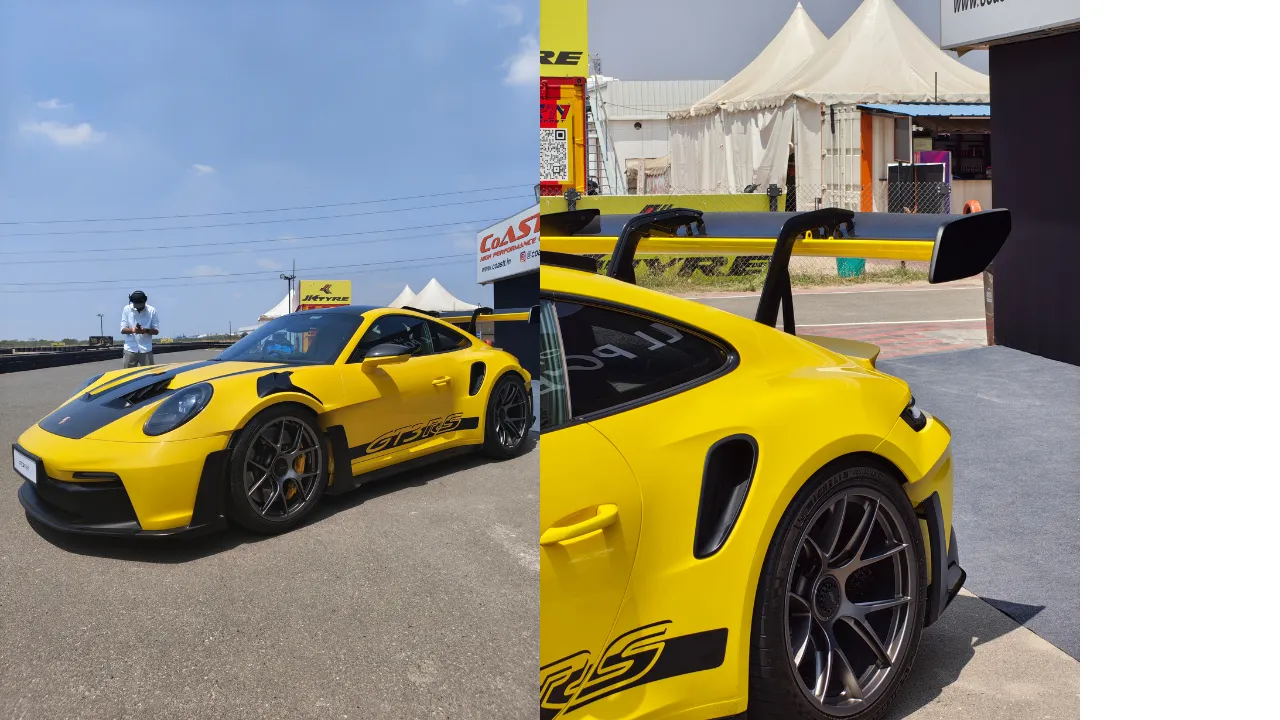
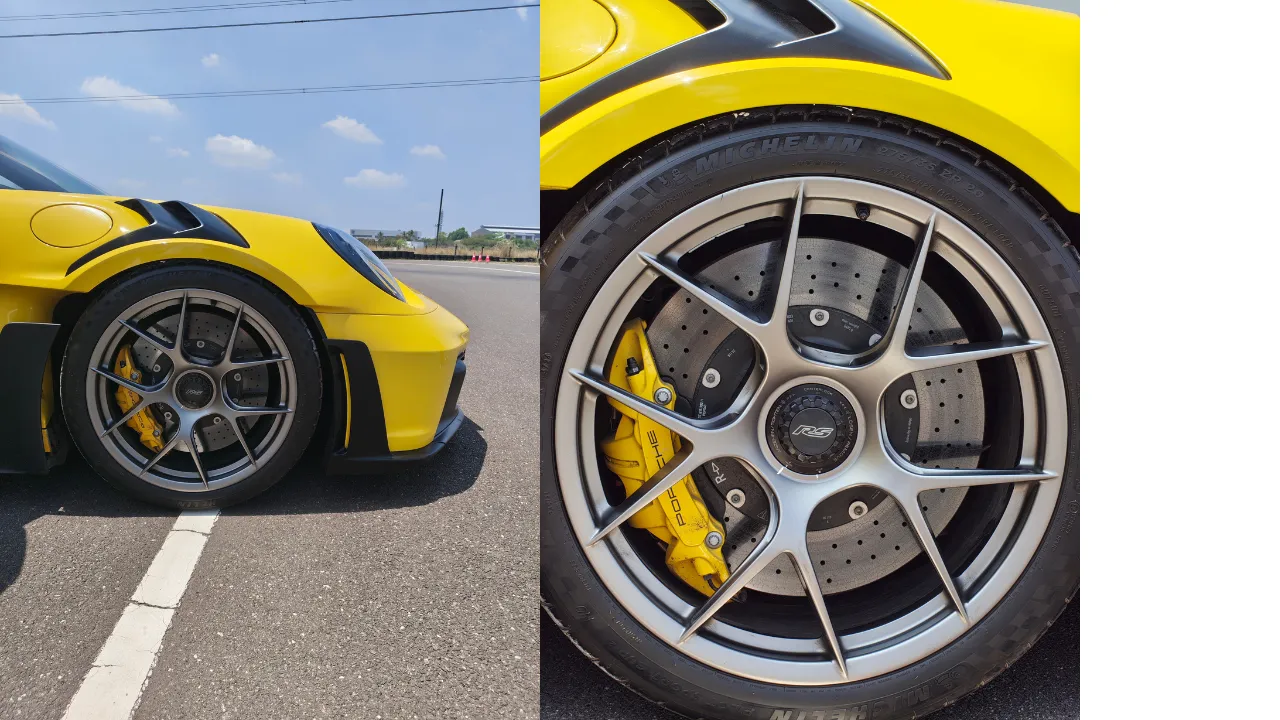
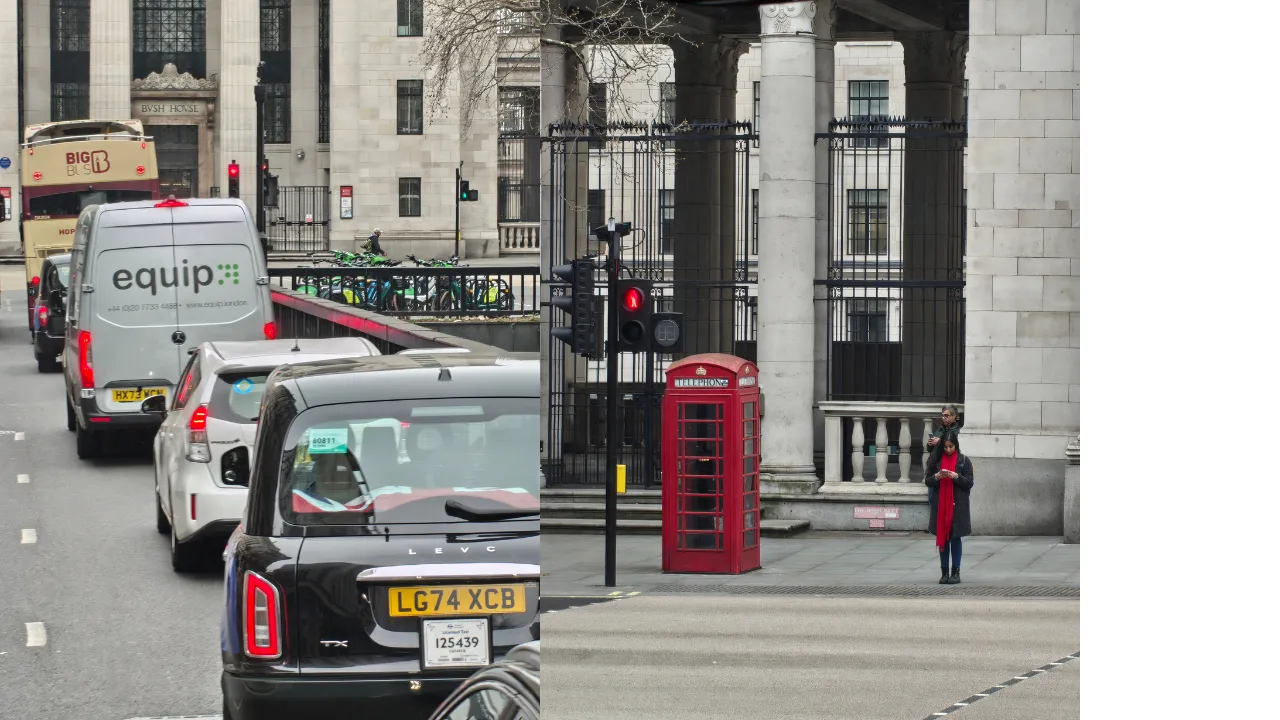


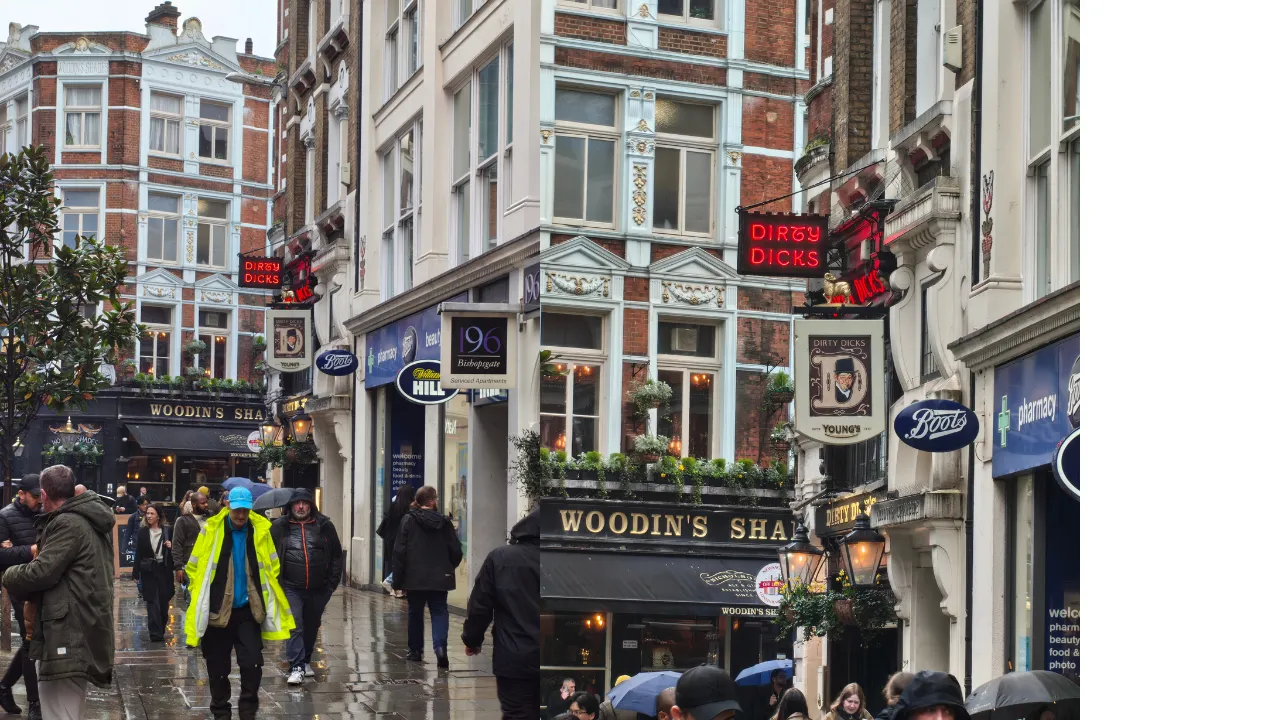
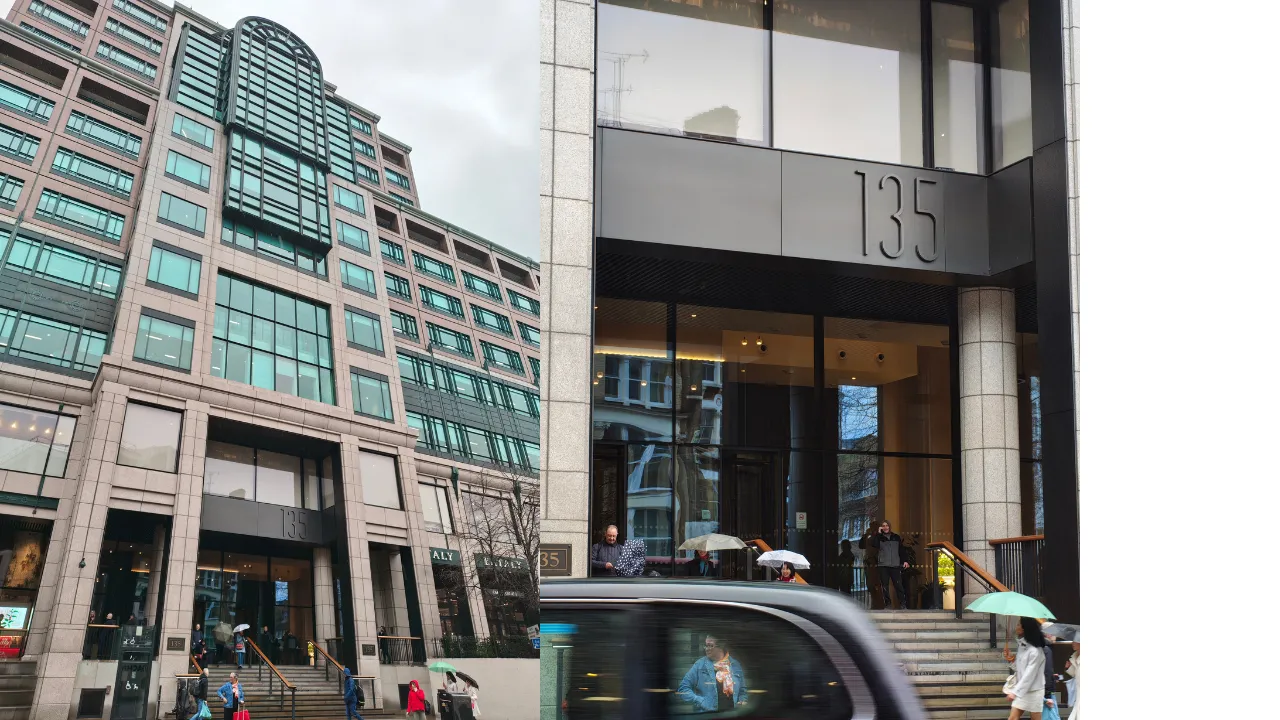
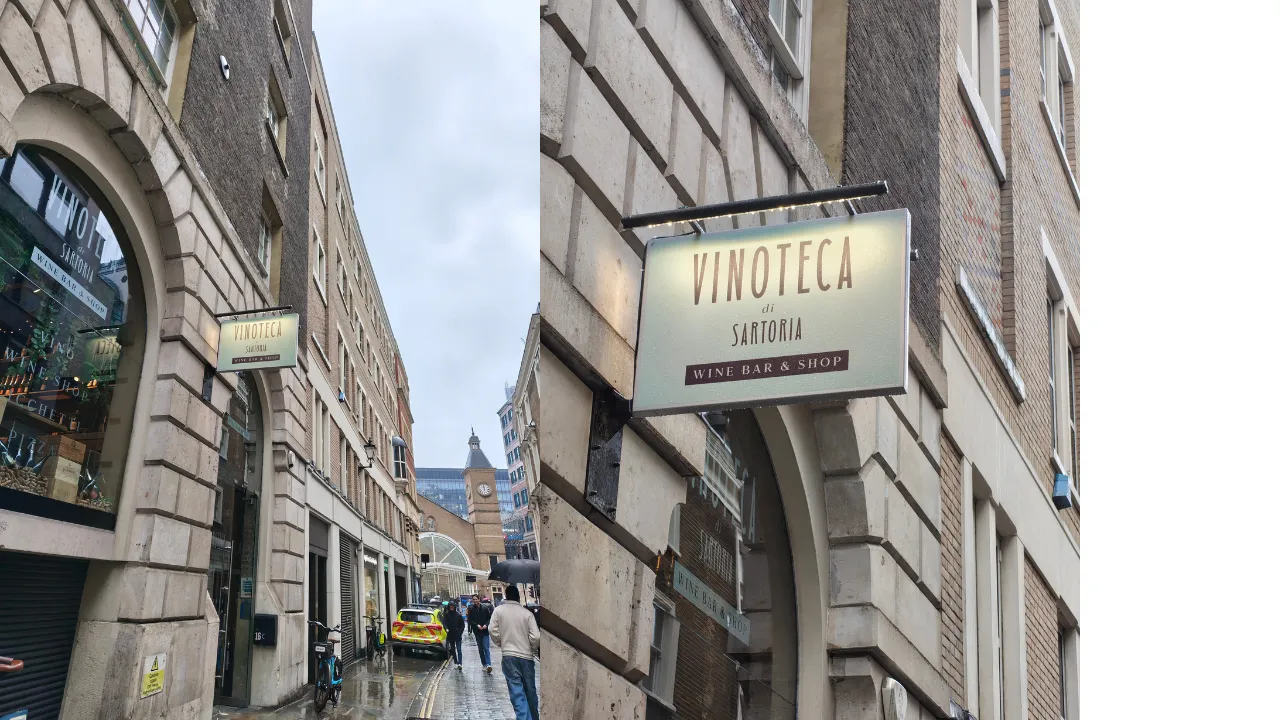
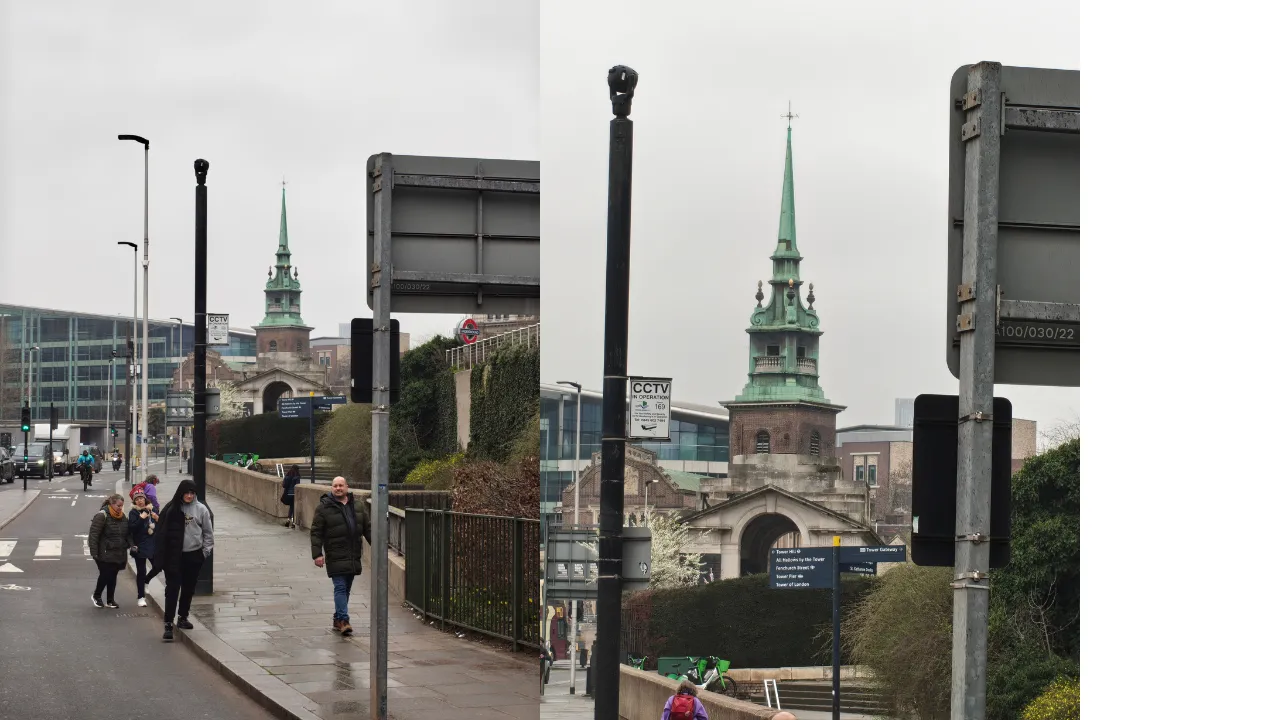
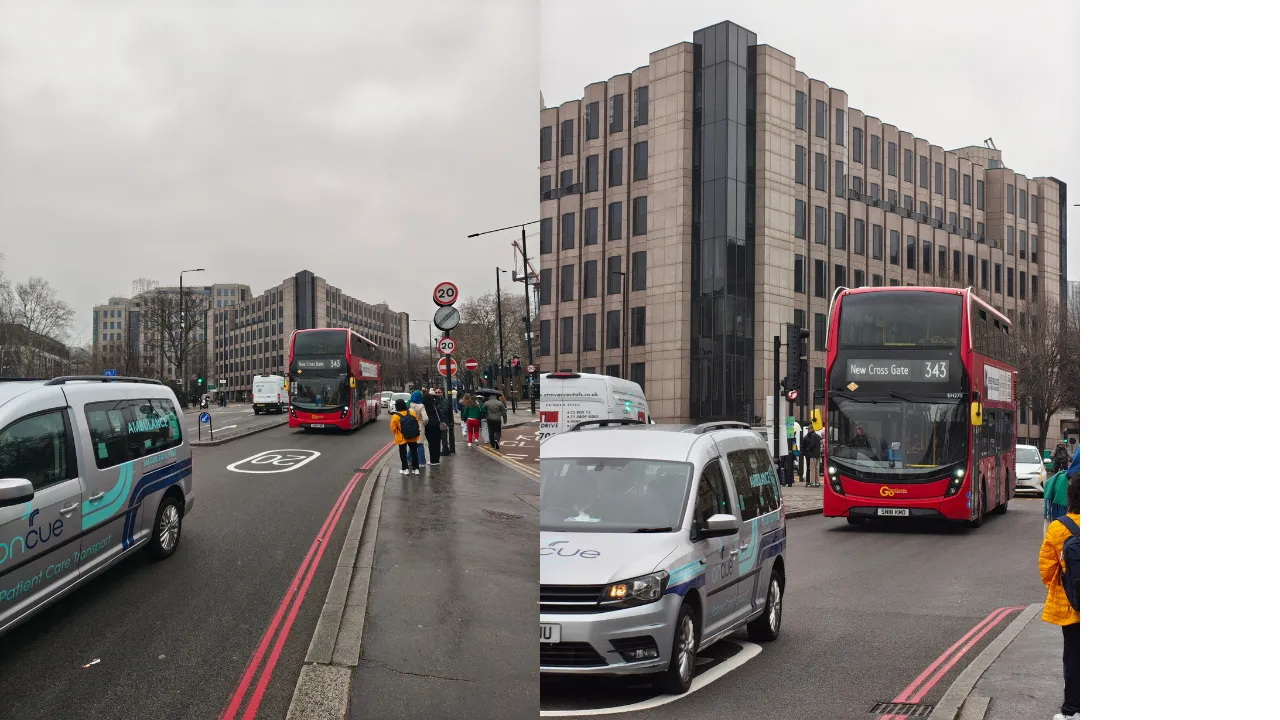
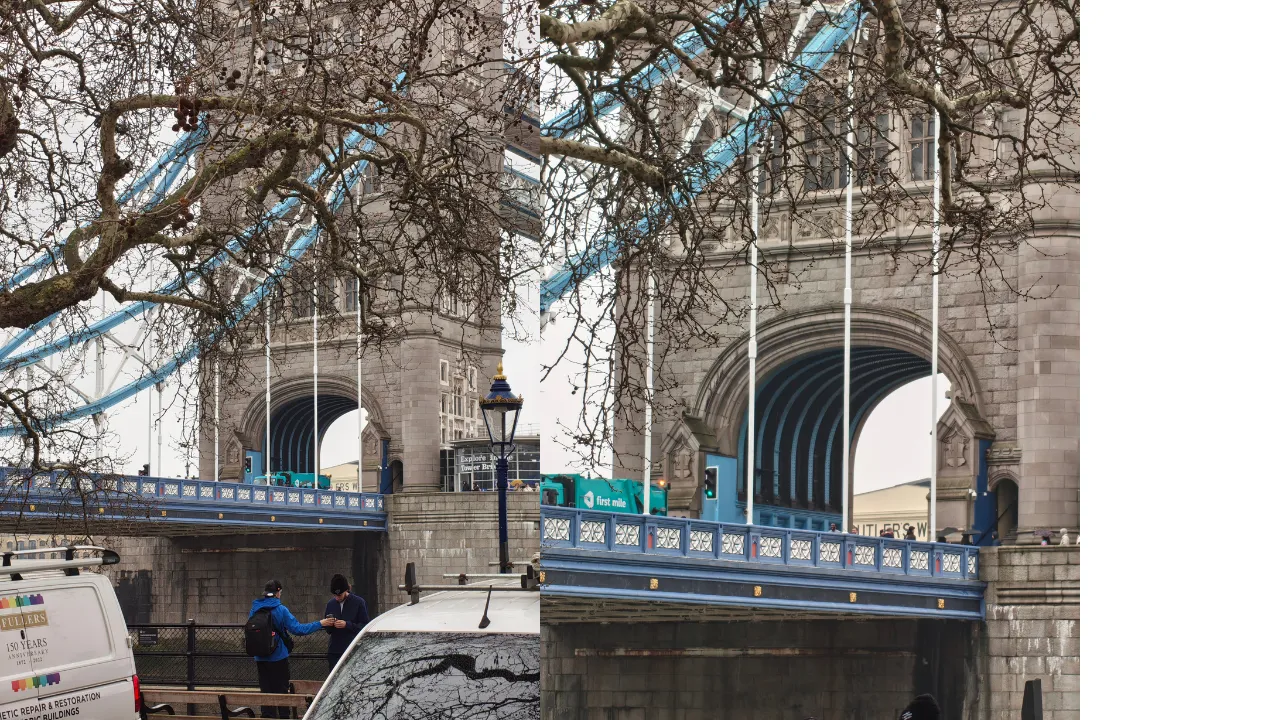
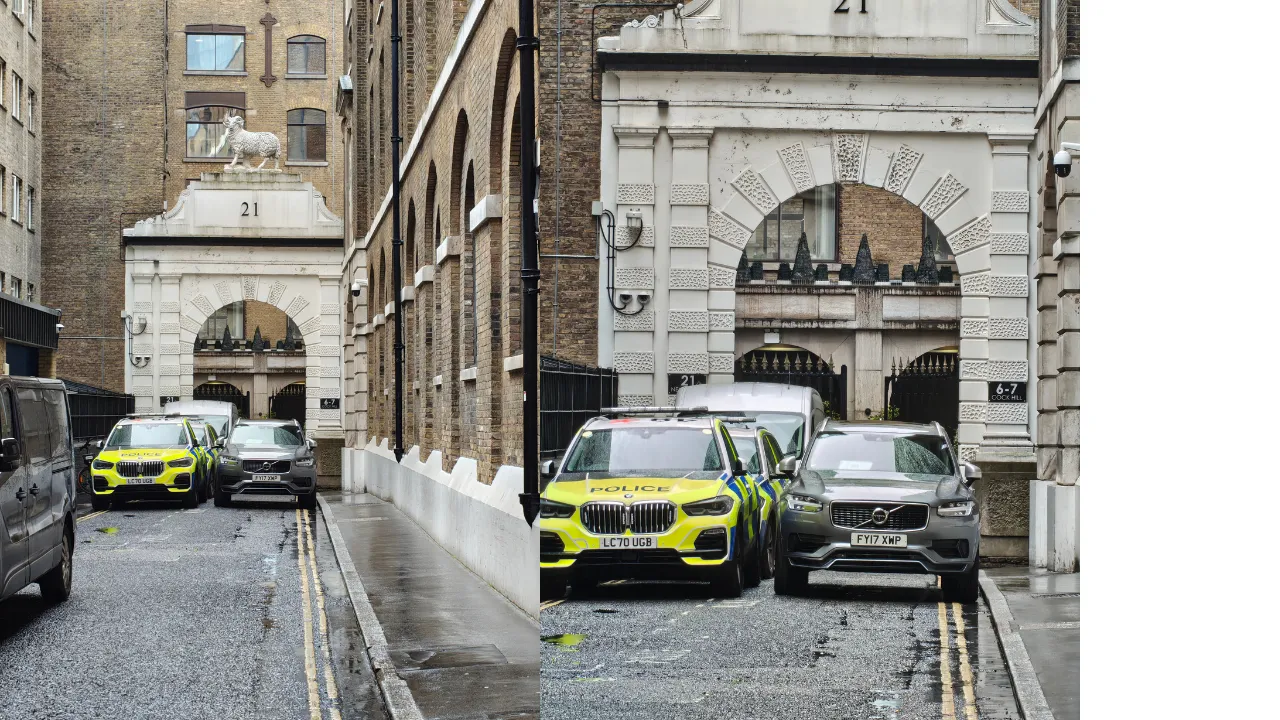
I set out in the streets of London with one aim only, i.e., I wanted to capture the essence of the city, and I believe that the Phone 4a Pro helped me do that. Given there was heavy overcast that day, the photographs did come out a little sombre. However, there is no shortage of details, there is no unnecessary saturation, and the colours look so good, especially against that grey-brownish overall theme that London seems to have going on. The above photographs use all three sensors.
Here are a few Nothing Phone 4a Pro portrait samples:


Portrait Mode in the Nothing Phone 4a Pro is amongst the best ones I have recently used in this price bracket. Edge detection is great, and so is bokeh or background blur. There are various options you can pick when it comes to the kind of background blur you want in your photos, too. I usually go with the standard one. Skin tones are good as well. There is no sign of oversaturated skin tones or increased sharpness, something that was seen in the Phone 4a's portraits.
Here are a few Nothing Phone 4a Pro low-light samples:
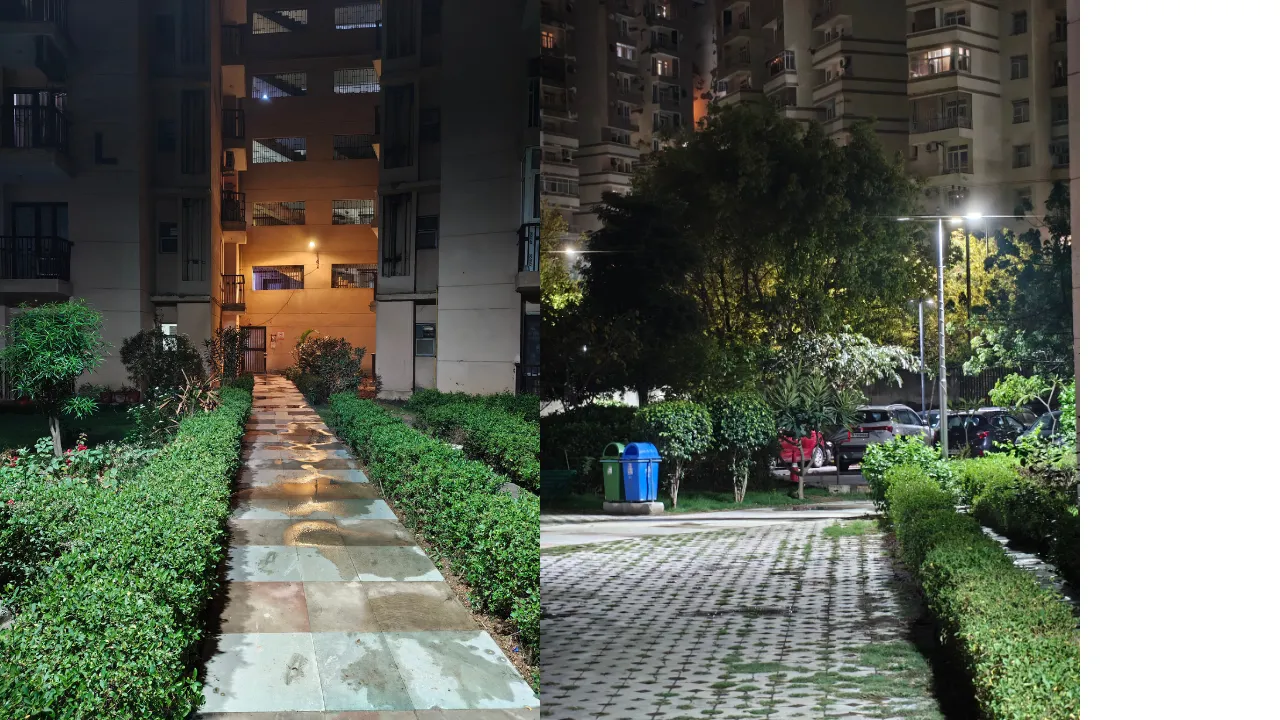
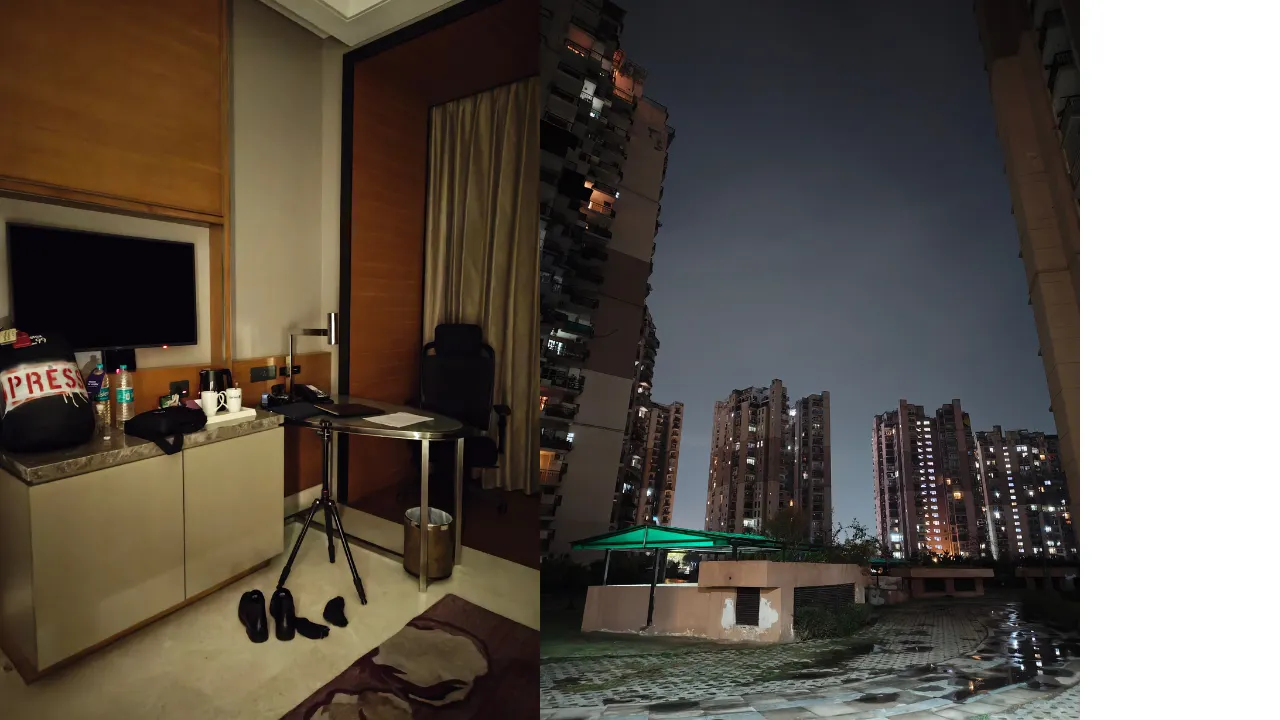
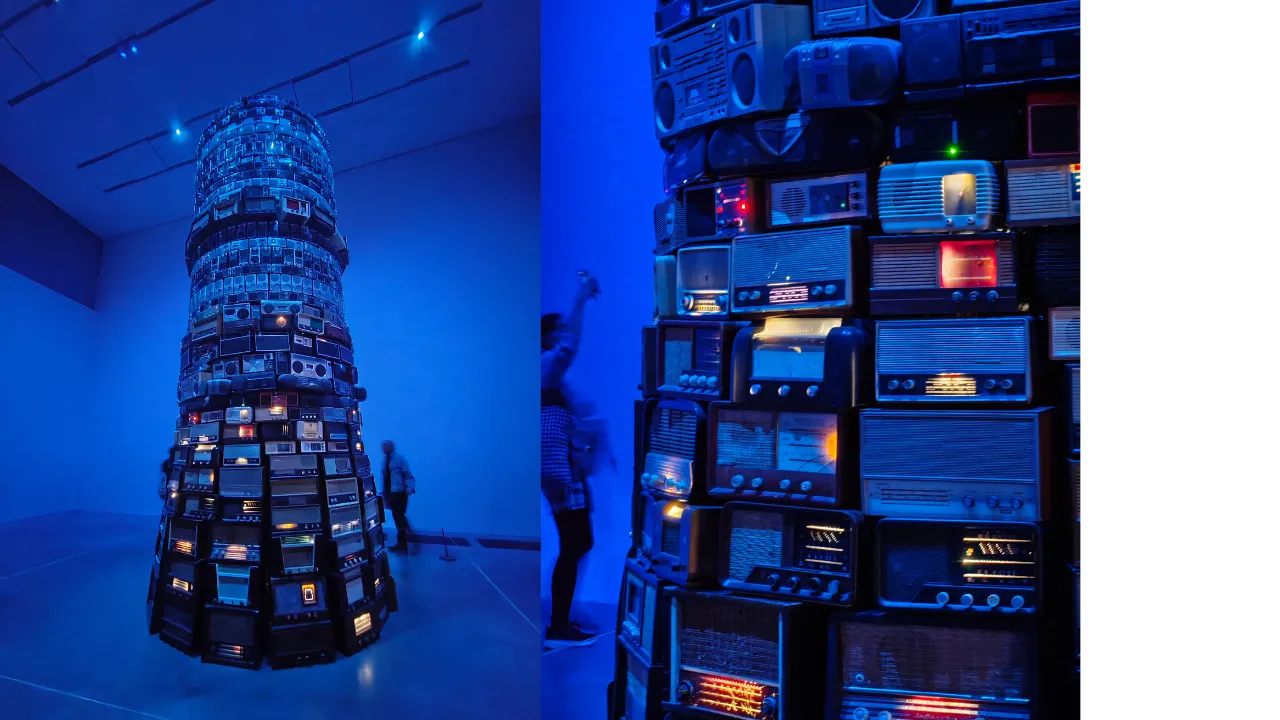
Low-light performance in the Nothing Phone 4a Pro is truly commendable. The picture quality is intact, post-processing of course plays a role here, and the amount of noise is well under the acceptable limit. These photographs above were taken in extremely dimly lit conditions, where there was only one source of light, which was too far away. Seeing the output in such lighting conditions, it can be safe to say that the Nothing Phone 4a performs quite well when the light source is not that prominent. Low-light photography is something that is usually not on buyers' priority lists, but it is a good feature to have under one's belt.
Here are a few Nothing Phone 4a Pro indoor samples:




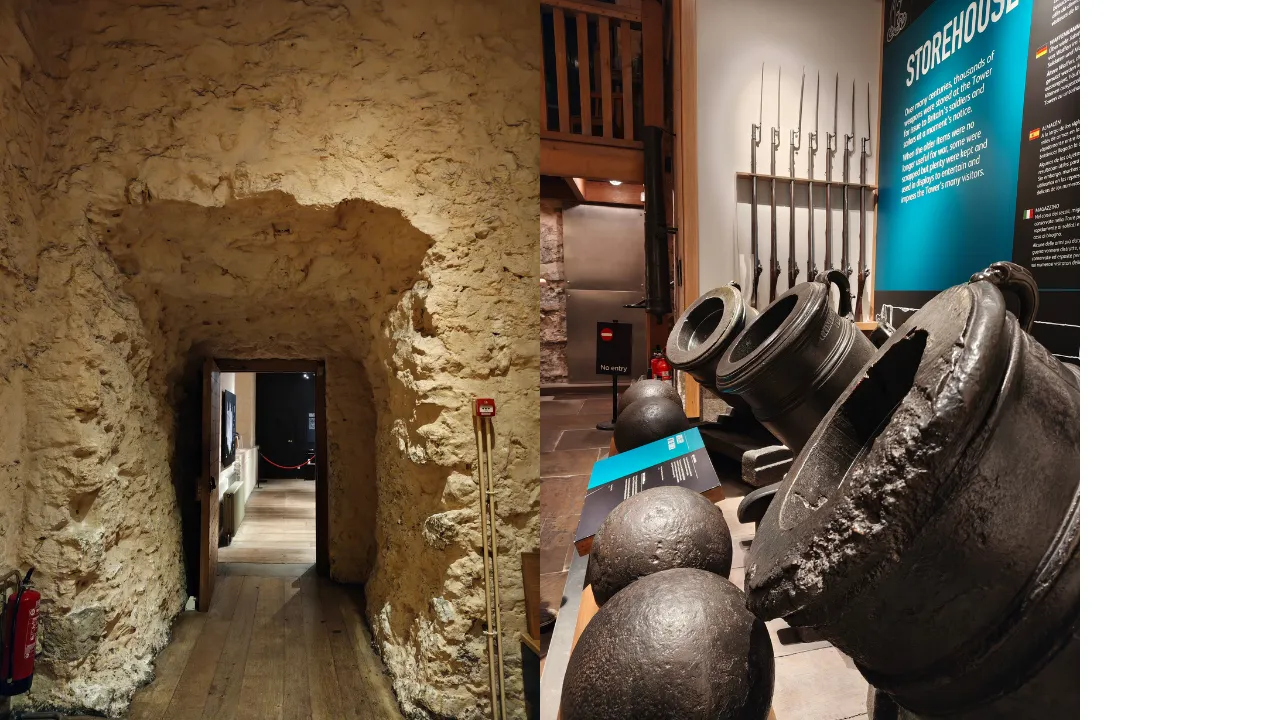

Indoor photography with the Nothing Phone 4a Pro tells a similar story. Despite the lack of a proper and prominent light source, the end results were good, clear, and had ample details. Subjects were in focus and showed no signs of noise or overprocessing. The photographs do incline towards warmer tones, but that is completely fine.
The photographs have a very detailed approach. There is a fair amount of post-processing, as there is with all modern-day phone cameras. That said, the processing really enhances the overall quality. For instance, taking photographs against the light source is a difficult task. For example, if the subject is standing against a large window and you need to take a photo that should highlight the face of the subject, you might often end up disappointed because that is not how light works. In the case of the Phone 4a Pro's processing, such photographs are possible. It is a tricky situation because the processing needs to be done in a way that both the subject and the background are clearly visible, regardless of how much light is entering the sensor. Example shown below:
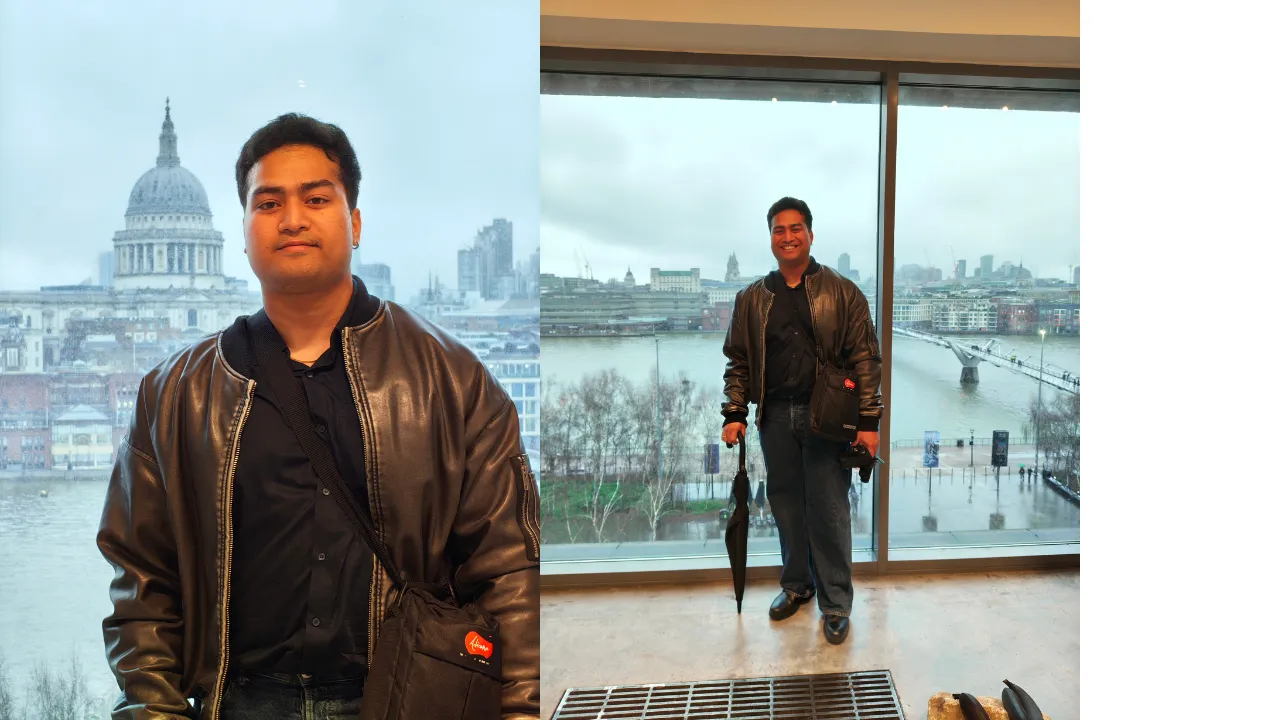
While the ultrawide sensor is not great, it also cannot be deemed completely useless. The 8MP sensor gets the job done and produces decent results. On the other hand, the primary and telephoto cameras in the Phone 4a Pro are bang-for-the-buck tools that punch above their weight class. The 50MP Sony LYT 700C primary sensor, especially, is a match-winner for the Phone 4a Pro.
On the video front, we have a maximum resolution of 4K 30 FPS, which I will complain about till the end of time. I have asked Nothing why they did not offer a 4K 60FPS option, and I currently await an answer. On the other hand, the 1080p resolution video mode can go up to 120FPS in slow motion mode and up to 60FPS in standard mode. The ultrawide camera cannot do 4K and 1080p 60FPS video and is limited to 1080p 30FPS. Similarly, the 32MP selfie camera is limited to only a 1080p resolution, offering both 30FPS and 60FPS video modes.
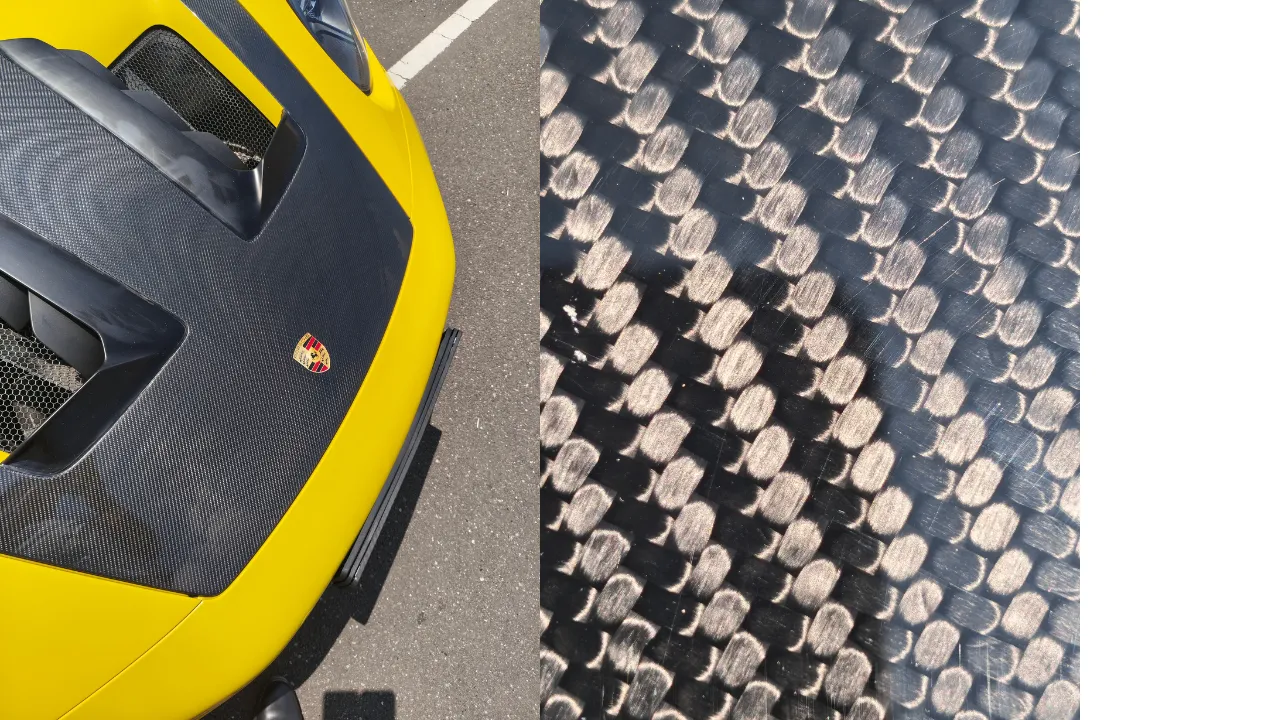
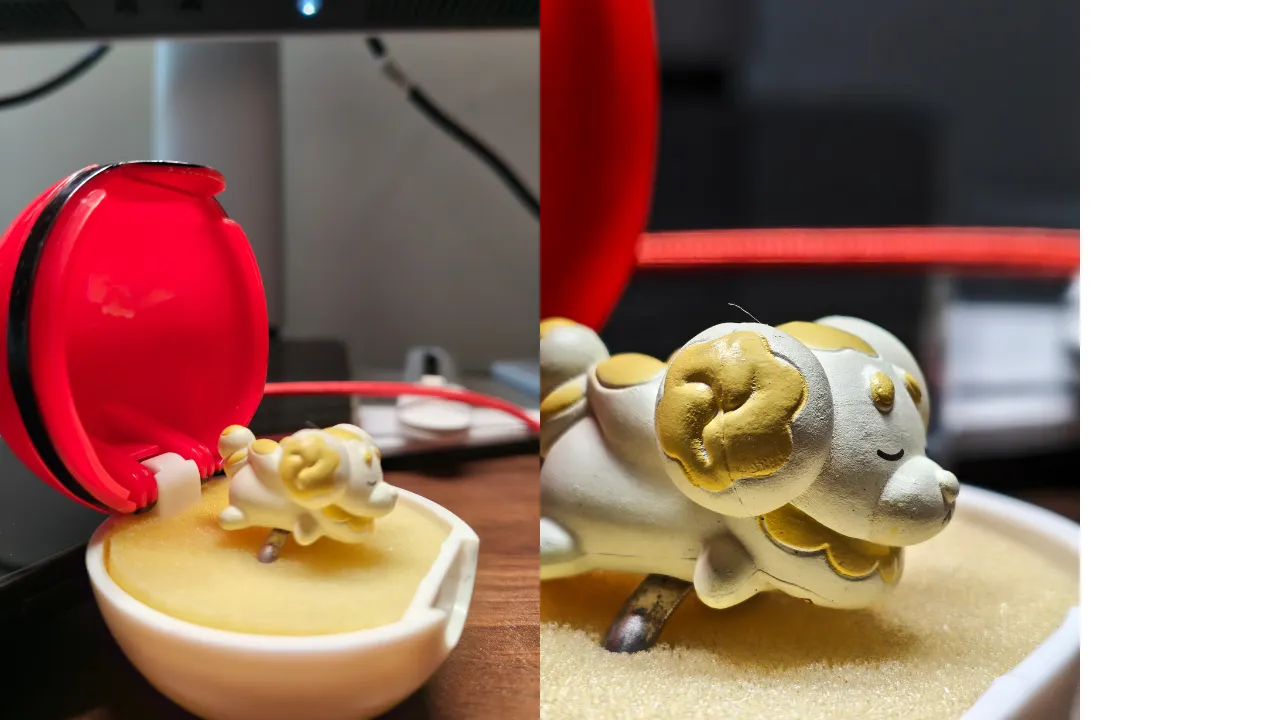
PS - Do not forget the Macro Mode. Macro mode on the Phone 4a Pro is baked into the camera and can be accessed via the telephoto lens. There is no separate mode that you can enter via the camera app. A few samples are shown below.


Performance: Snapdragon 7 Gen 4 Delivers An All-rounder Performance

Let us start with the specifications.
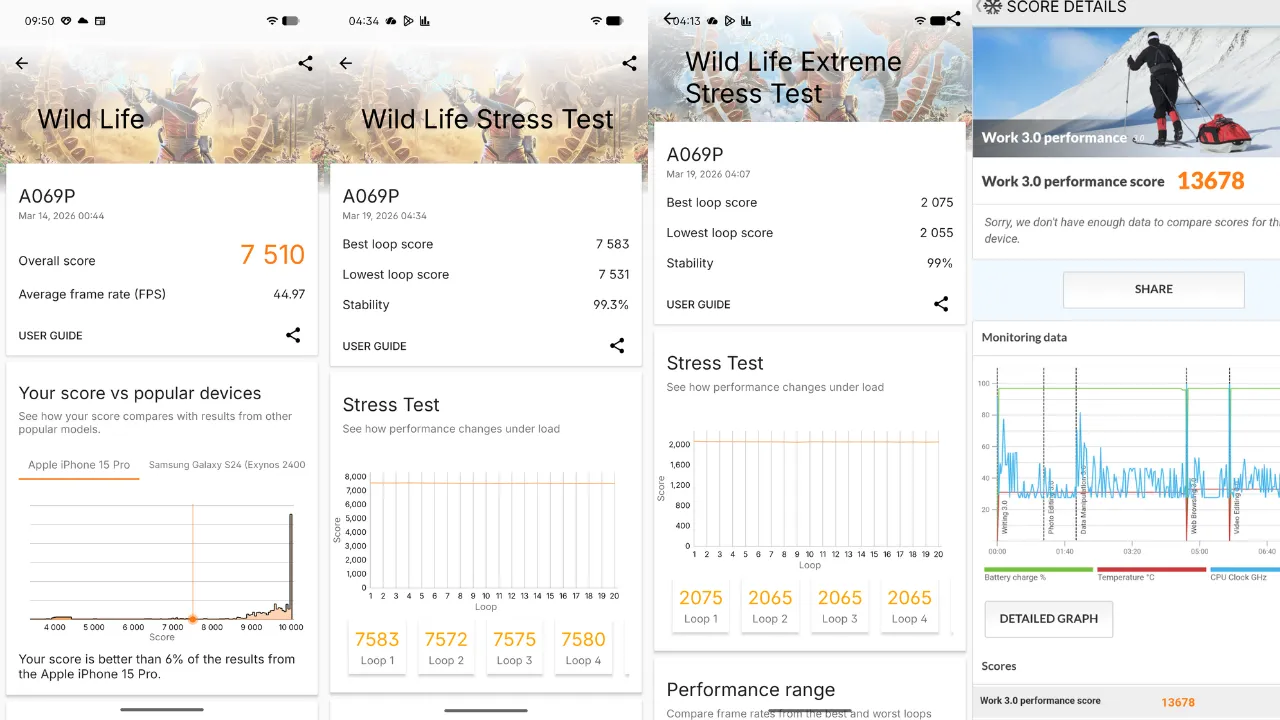
The Nothing Phone 4a Pro is powered by Qualcomm’s Snapdragon 7 Gen 4 chipset, paired with LPDDR5X RAM and UFS 3.1 storage. This combination delivers a smooth day-to-day experience, with fast app launches and reliable multitasking. Hopping from app to app is seamless and buttery smooth. On synthetic benchmarks, we have an AnTuTu score of over 1.24 million, and on Geekbench, we have a single-core score of 1.335 and a multi-core score of 4,168. These numbers place the Phone 4a Pro in the upper mid-range tier of smartphones. These numbers also tell a story in which the phone is well capable of handling all new-age mobile gaming titles with good frame rates. The CPU Throttle Test dipped to 75 per cent at first, but with multiple rounds of testing, throttling was around 80 per cent on average. What impressed me was the thermal management. The temperatures barely rose during gruelling tests like Antutu and 3D Mark Extreme Stress Test. GPU performance stress tests showed a 99 per cent stability, which is a good indication of how the phone will perform in prolonged graphics-intensive sessions.
The phone uses a 5,300 square millimetre vapour chamber cooling system, which keeps temperatures under control even during stressful situations. In extended gaming sessions, the device registered only a 10 degrees Celsius rise, meaning it stays cool enough for long play without discomfort.
With its Snapdragon Adreno 722 GPU, the 4a Pro handles popular titles like BGMI, Asphalt, and Genshin Impact, Wuthering Waves, and ZZZ at high settings with minimal frame drops. The adaptive refresh rate (up to 144Hz, though capped at 120Hz in practice) ensures fluid visuals, especially in fast-paced games like Genshin, BGMI and ZZZ.
Scrolling, streaming, and multitasking feel snappy and smooth at the same time. The phone’s performance is consistent, with no noticeable lag even when juggling multiple apps. At the end of the day, this matters much more than having the best silicon. What value is that if the phone does not utilise it well? It is highly subjective, though.
The phone comes with a 5,400mAh battery capacity. This is a lithium-ion battery, not a silicon-carbon, something that the industry is evidently moving towards. As a power user, you honestly do not need to worry about that. The battery in the Phone 4a Pro delivers a run time of about 14 hours with regular to heavy usage, which is quite good. Personally, the 4a Pro lasts a whole day for me, and that alone is a huge green flag. The 50W fast charging support is the same as before, although I hope they start offering faster charging capacities soon. The phone charges from zero to 100 per cent in about 50-55 minutes.
On the connectivity front, the Phone 4a Pro is clad with features such as 5G, Wi-Fi 6, Bluetooth 5.4, and NFC and eSIM. However, Indian phones will not get NFC and eSIM.
Nothing OS 4.1: The Best In The Game?
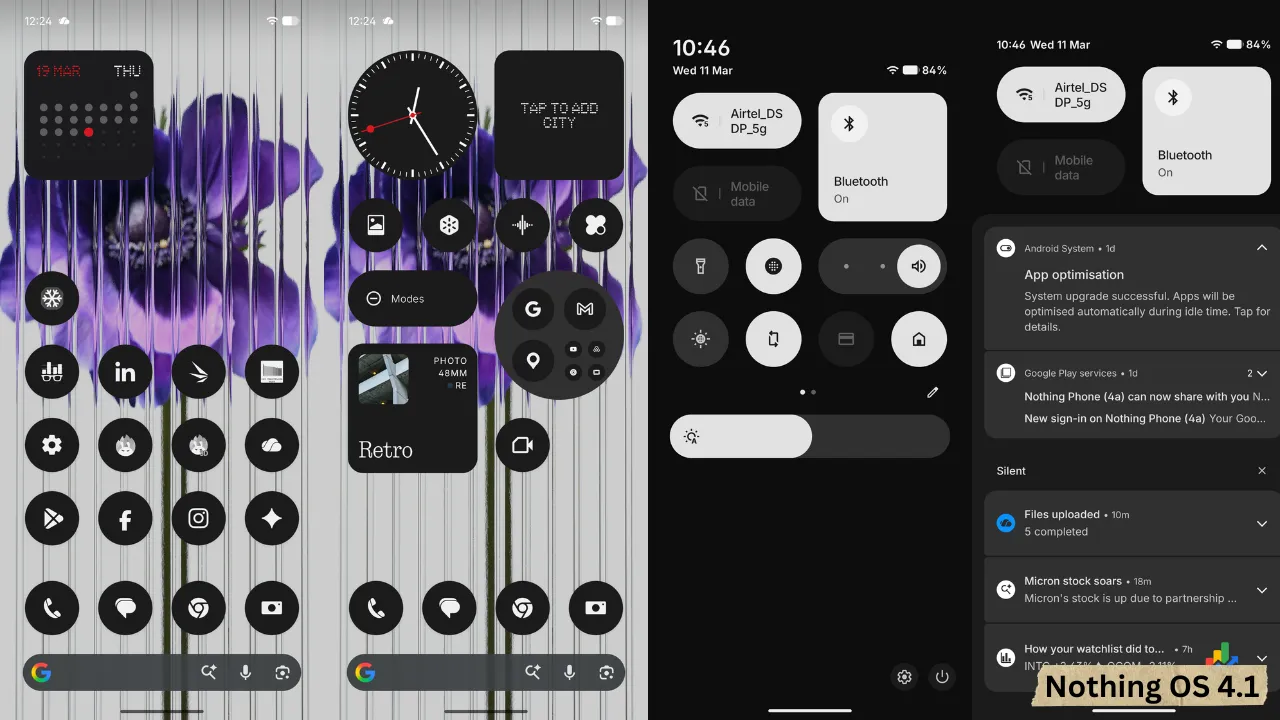
I truly feel that Nothing OS is on its way to becoming the best Android UI in the market. The Phone 4a Pro comes with the new Nothing OS 4.1 out of the box, and the company is offering 3 years of OS updates and 6 years of security patches. The UI retains Nothing’s signature monochrome aesthetic, with dot-matrix fonts and minimalist icons. Although you can opt for the regular and colour icons pack. Animations are smooth, and the overall design language feels cohesive across the system. Widgets are a huge win for the brand. The community Playground website offers a plethora of fun widgets to choose from.
Navigation is snappy, with smooth transitions between apps and settings. The adaptive refresh rate complements the OS well, making sure that scrolling feels natural and not mechanical. Essential Space is another bonus that is slowly becoming more and more useful. This productivity hub was already there in the Nothing Phone 3, and I made use of it regularly. The highlight is definitely the AI summarisation feature that condenses notifications, messages, and updates into digestible highlights. You can use Essential Audio to record something and let Essential Space decode and summarise it for you. Currently, you get 300 minutes per month.
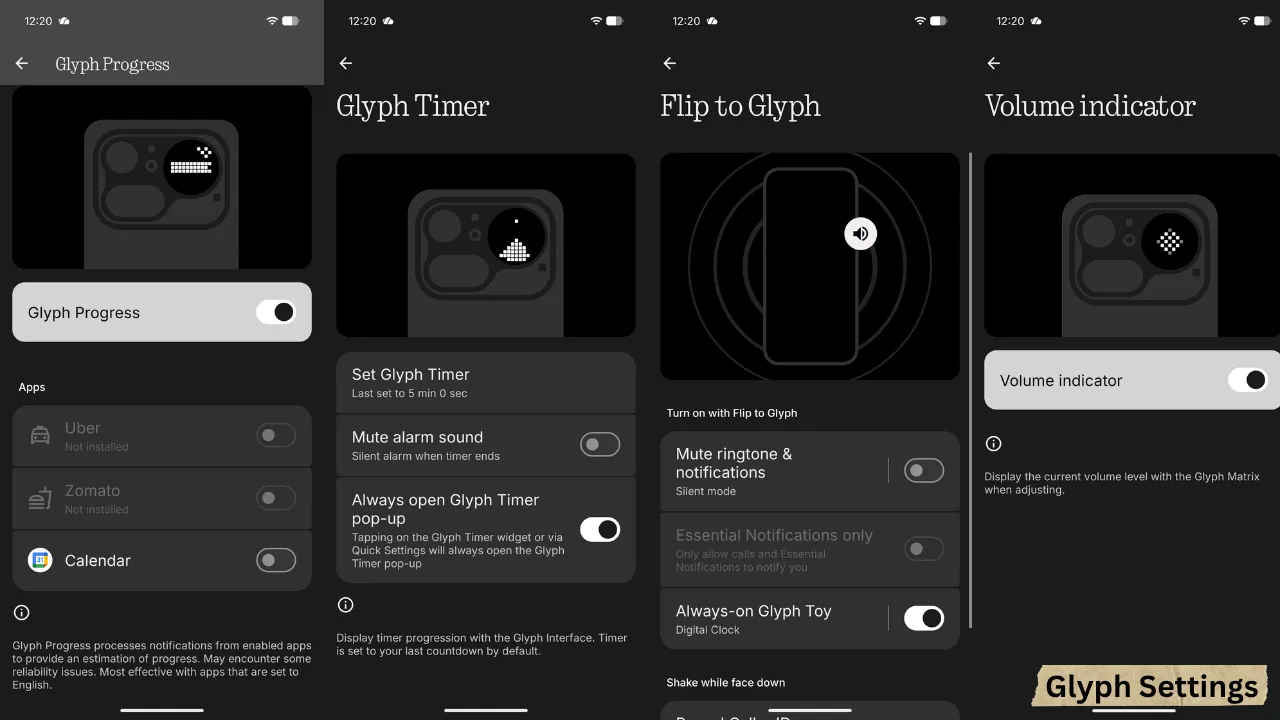
The expanded Glyph Interface ties into the UI, offering visual cues for calls, timers, charging, and even solar path tracking. While the OS remains minimal, users can tweak widgets, wallpapers, and Glyph settings to personalise the experience, opening up a whole new way to interact with the UI. I want to highlight that the absence of ads and preloaded bloatware makes the interface feel premium. Just the fact that the Phone 4a Pro does not come along with a bunch of nuisance apps, earns Nothing a lot of brownie points. It’s a refreshing contrast to many rivals that clutter their UI.
Verdict: Should You Buy The Nothing Phone 4a Pro?
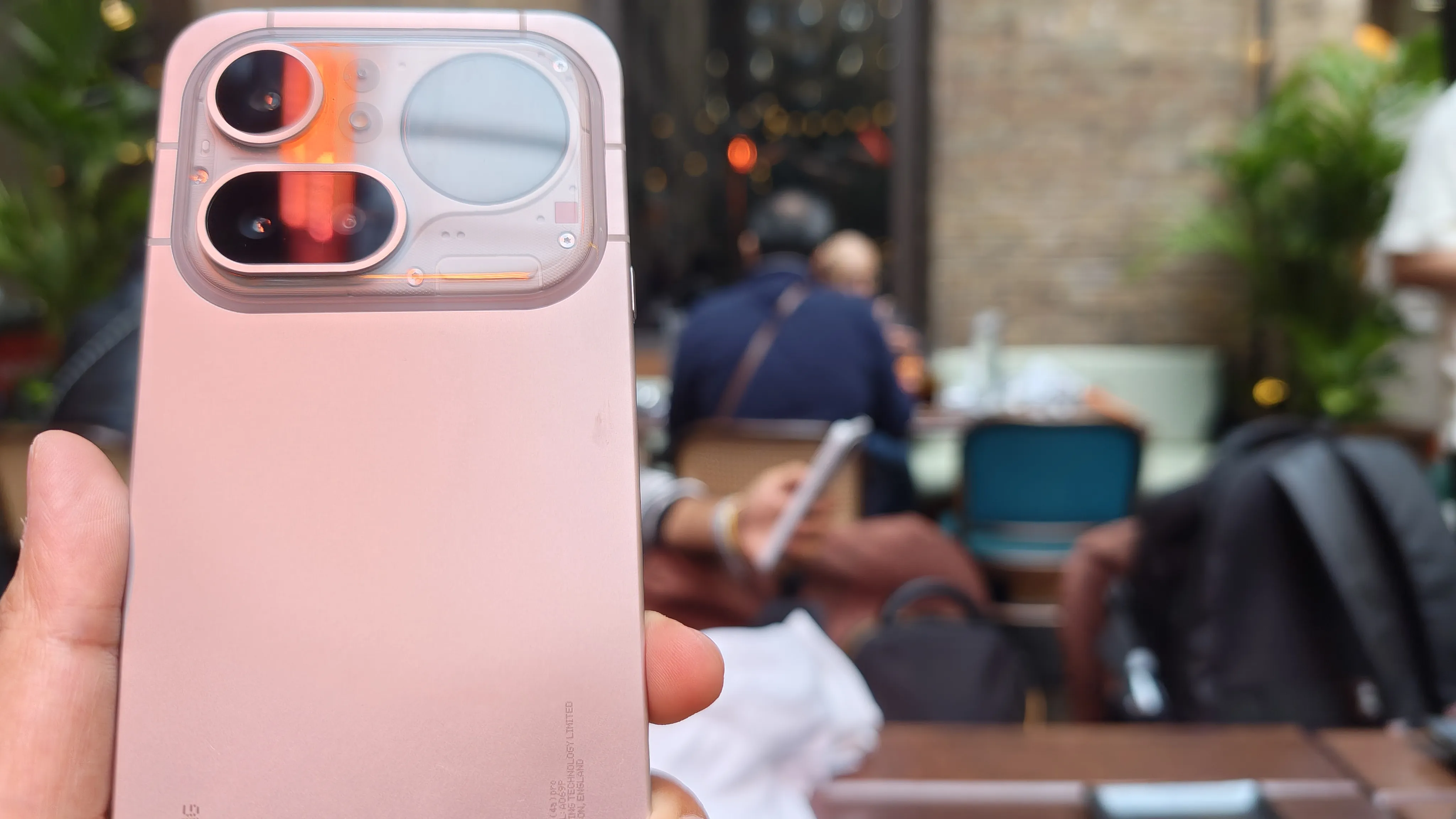
I would be lying if I said that this isn’t one of the most gorgeous-looking phones I have recently used. While the Phone 3 catered to a very specific niche of users in terms of aesthetics, the Phone 4a Pro widens that scope by offering a more palatable design. As a person who grew up with Star Wars, Halo, Fallout, and even Cyberpunk, although it is relatively new, I can relate to the design; it speaks to me. I also see what the design team at Nothing is trying to do with the Phone 4a Pro.
When I see the phone’s design, I do think of some of the greatest consumer tech designs of yesteryears, such as Casio, Sony, Braun, Panasonic, Oakley, and even HTC. My mind also happens to wander off to the OG Game Boy and Atari consoles for some reason. This concoction of modern-day technology and a conventional analogue-esque design just works on multiple levels.
I recall R2D2 and C3PO from Star Wars, and if truth be told, I also think of the Pip Boy from the popular Fallout game series. Now, I really wish Nothing makes a smartwatch with a layout similar to the Phone 4a Pro’s camera module.
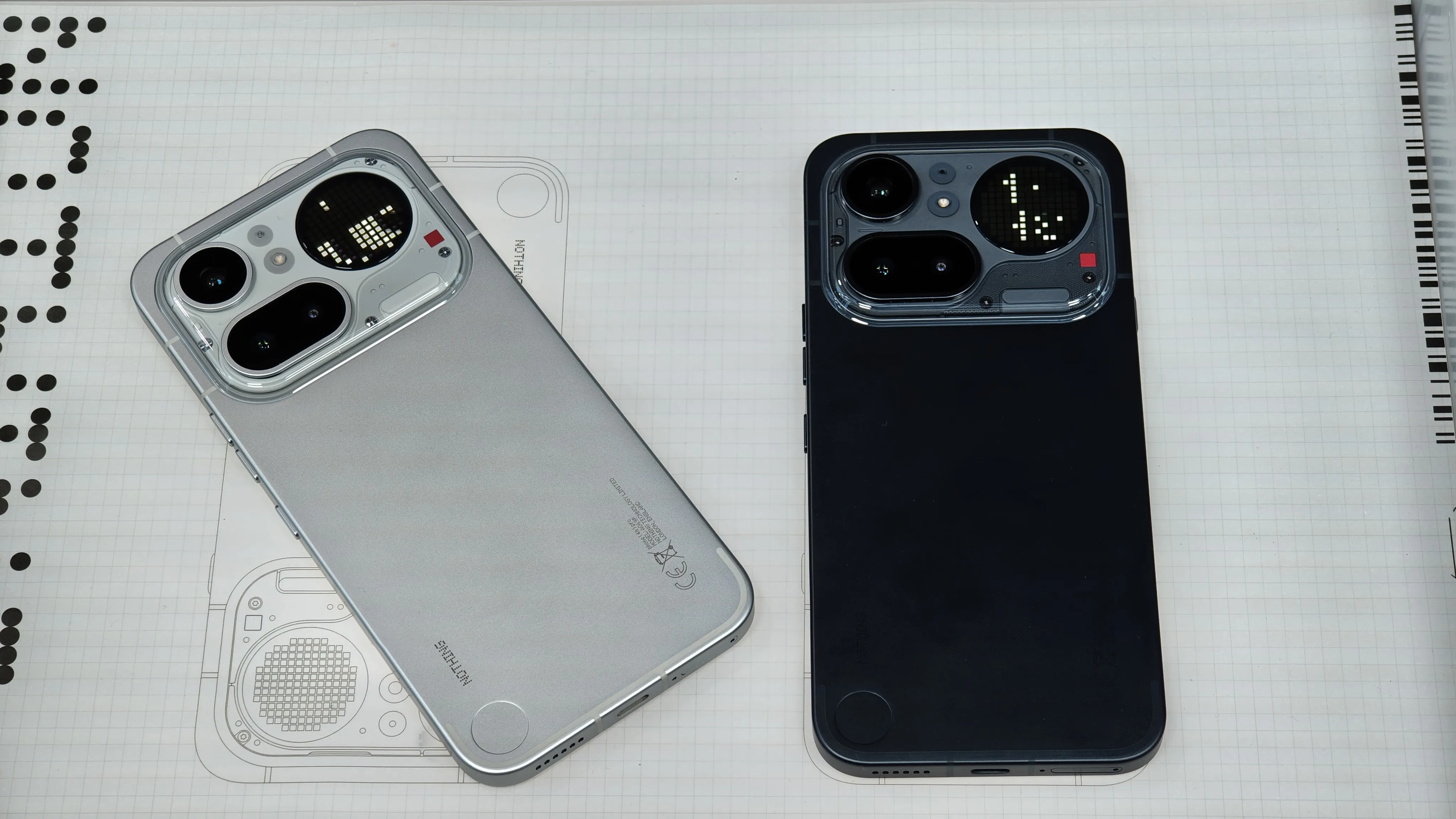
Speaking of cameras, the triple camera unit is one of the best in this range. We have seen phones like the Samsung A55, the Motorola Edge 70, the Nord 5, and the recently unveiled X8 Pro Max, but none of them come close, with the exception of perhaps the Nord 5. The choice of adding a competent telephoto camera deserves more praise than it gets. The 3.5x telephoto shooter, or as Nothing calls it, the Tetraprism camera, is an improvement on the previous year’s periscope telephoto shooter on the Pro model. Lastly, the UI also plays a huge role here.
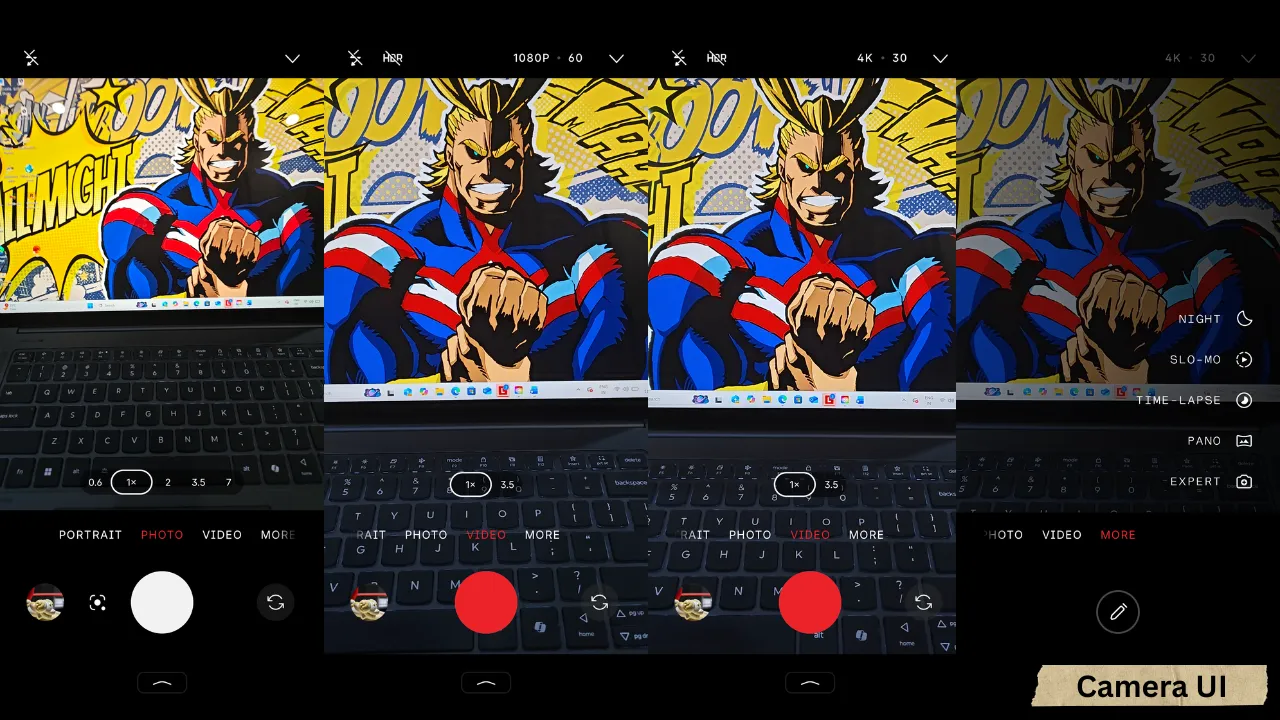
The camera interface is intuitive and easy to comprehend. Modes such as Expert, Panorama, and 50MP allow for detail-oriented and engaging photography. On the video front, we have 4K 30FPS, 1080p 60FPS and 1080p 120FPS video modes, which are awesome. Having 4K 30 FPS and 1080p 120 FPS slow-motion video options widens the scope of usage. I do, however, believe that a 4K 60 FPS option would have been golden. My heart yearns for it.
As a popular saying goes in India, “even the moon has scars”, i.e., the Nothing Phone 4a Pro, in all its glory, does have a few things that could have been better. For instance, the lack of a 4K 60FPS video mode really sticks out. Secondly, a better ultrawide camera would have added immense value. Right now, the 8MP sensor does its best with some distortion and tries to reproduce decent colours. Lastly, why is there no physical button for the Glyph Matrix? This acts as a barrier for people who do not like to go deep inside phone settings to use apps. Additionally, I really wish the Glyph Interface were tied into apps like the Calendar and Clock, too. For instance, a countdown timer or stopwatch operated from the Clock app and displayed on the Glyph Interface would have been good.
In conclusion, at Rs 39,999 (Rs 34,999 after bank offers), the Nothing Phone 4a Pro offers what I would call a complete package. There are no tags, there is no heavy emphasis on one category, such as being a performance phone, a gaming phone, a camera phone, having a power bank fitted inside, or any of that. It is a well-crafted device with ample firepower, thanks to the Snapdragon 7 Gen 4 SoC, capable of tackling everyday tasks as well as demanding activities. The Phone 4a Pro does all that, while looking the way it does, i.e., gorgeous.
Additionally, Phones like the Pixel 10a and the iPhone 17e make the Nothing Phone 4a Pro look even better. A lower price and a hardware and software stack that can compete head-on.
PS - The pink colourway of the Nothing Phone 4a Pro is probably the best way a smartphone company has ever executed a novel colour in its mainstream range.
For more reviews, developments, and stories on tech, keep following BW Businessworld and BWTV Prime. |





