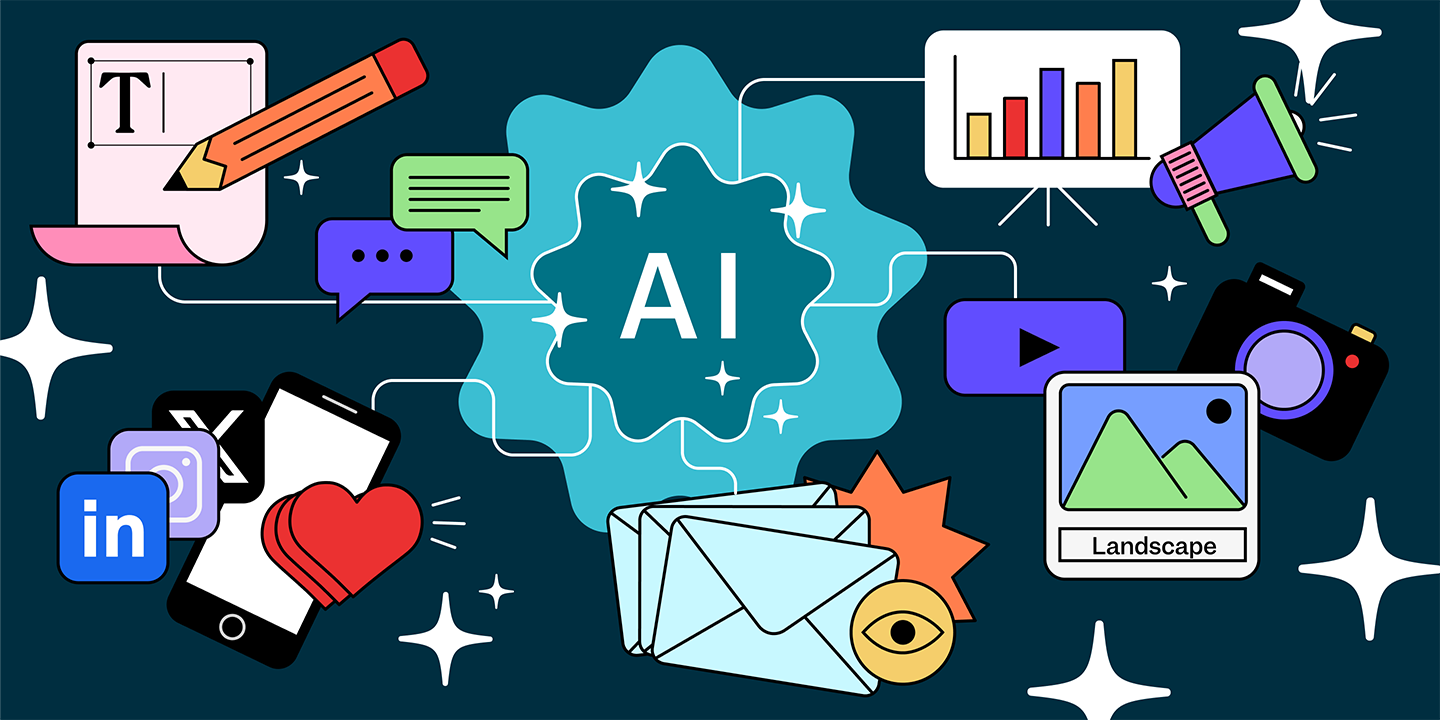
In the current digital era, the “one-size-fits-all” approach to advertising has become obsolete. Consumers are now bombarded with thousands of messages daily, leading to significant ad fatigue and a general desensitization to traditional marketing efforts. To break through this noise, brands are increasingly turning to AI Marketing Tools to deliver hyper-personalized experiences. The purpose of these tools is to analyze vast quantities of consumer data—ranging from browsing history and purchase patterns to social media interactions—to create a unique narrative for every individual customer. By doing so, businesses can ensure that the right message reaches the right person at the optimal time.
Beyond simple product recommendations, these systems can now predict the emotional state of a user and adjust the creative tone accordingly. This real-time adaptability allows marketing campaigns to feel like a one-on-one conversation rather than a broadcast. Furthermore, the integration of real-time feedback loops means that as a user interacts with a site, the AI learns and refines its profile instantly. This level of responsiveness is critical for capturing attention in a world of endless distractions. By leveraging these AI Tools, companies can ensure that their data remains an active asset that grows in value with every customer click.
The target audience for these advanced platforms includes digital marketing managers, e-commerce specialists, and CRM coordinators who are tasked with improving customer lifetime value. These professionals require systems that can segment audiences not just by demographics, but by real-time intent and behavioral nuances. The benefits of implementing such technology are profound. First, it significantly increases conversion rates by presenting products and services that are genuinely relevant to the user. Second, it fosters long-term brand loyalty, as customers feel understood and valued by the companies they interact with. Finally, it optimizes marketing spend by reducing the amount of capital wasted on broad, ineffective campaigns.
Moreover, the implementation of autonomous optimization algorithms allows for the continuous refinement of customer segments without manual intervention. This ensures that the marketing engine remains relevant even as consumer trends shift abruptly. By providing deeper insights into the causal relationships between specific campaign elements and conversion actions, AI helps eliminate the “black box” of traditional advertising. Consequently, businesses can move toward a model of total transparency and extreme efficiency in their ad spend. This evolution represents a paradigm shift from broad-spectrum outreach to precision-guided customer relationship management. Integrating these workflows allows brands to build a sustainable competitive advantage that is difficult for rivals to replicate without similar technological maturity. [/url] [url=https://www.addtoany.com/add_to/whatsapp?linkurl=https%3A%2F%2Fsunoshayari.com%2Fthe-strategic-impact-of-hyper%2F&linkname=The%20Strategic%20Impact%20of%20Hyper-Personalization%20in%20Modern%20Marketing] [/url] [url=https://www.addtoany.com/add_to/twitter?linkurl=https%3A%2F%2Fsunoshayari.com%2Fthe-strategic-impact-of-hyper%2F&linkname=The%20Strategic%20Impact%20of%20Hyper-Personalization%20in%20Modern%20Marketing] |





